
06/11/2026
Corner Bench and Chair Fabrics: How to Choose a Cover That Lasts
Where Everyday Life Comes Together
The dining table is the busiest place in most homes. Breakfast happens here. So do homework, long talks and Sunday lunch. Friends gather around it, and the evening often ends here too.
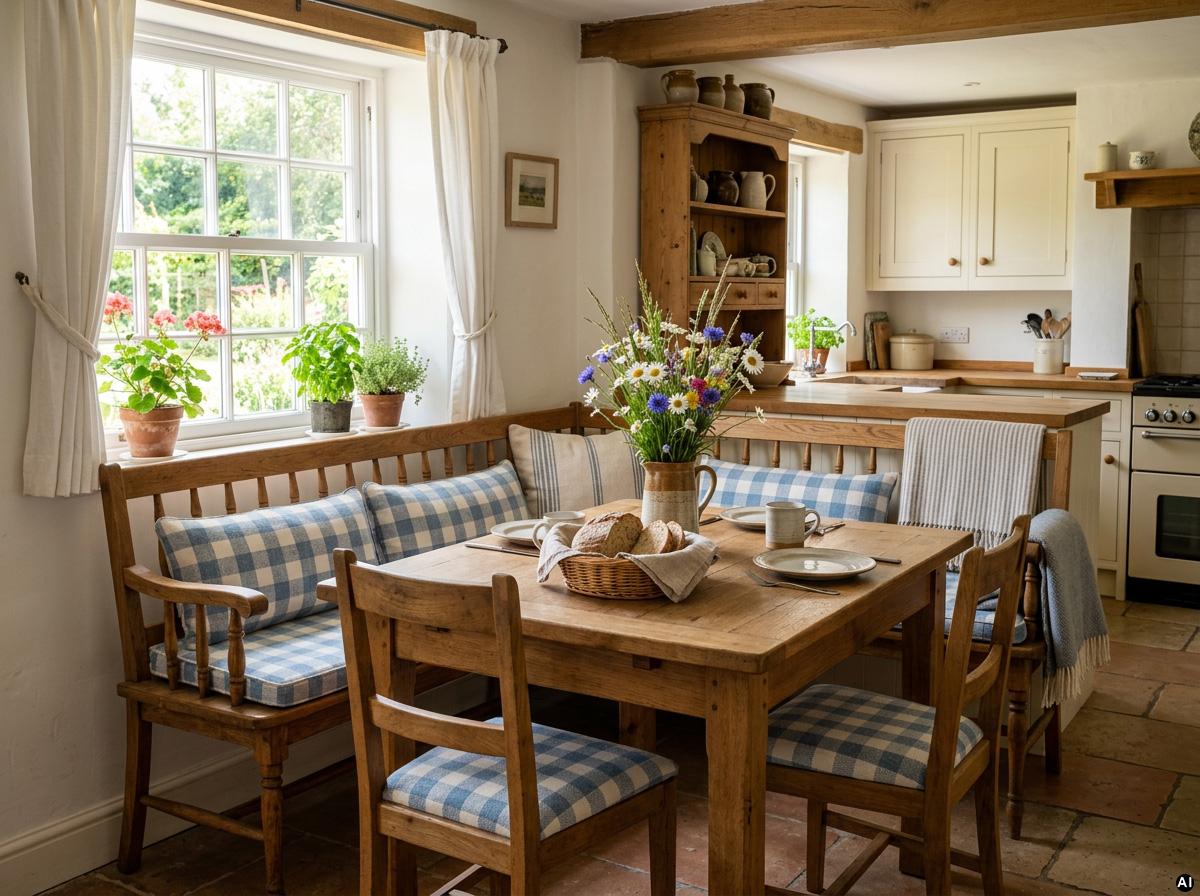
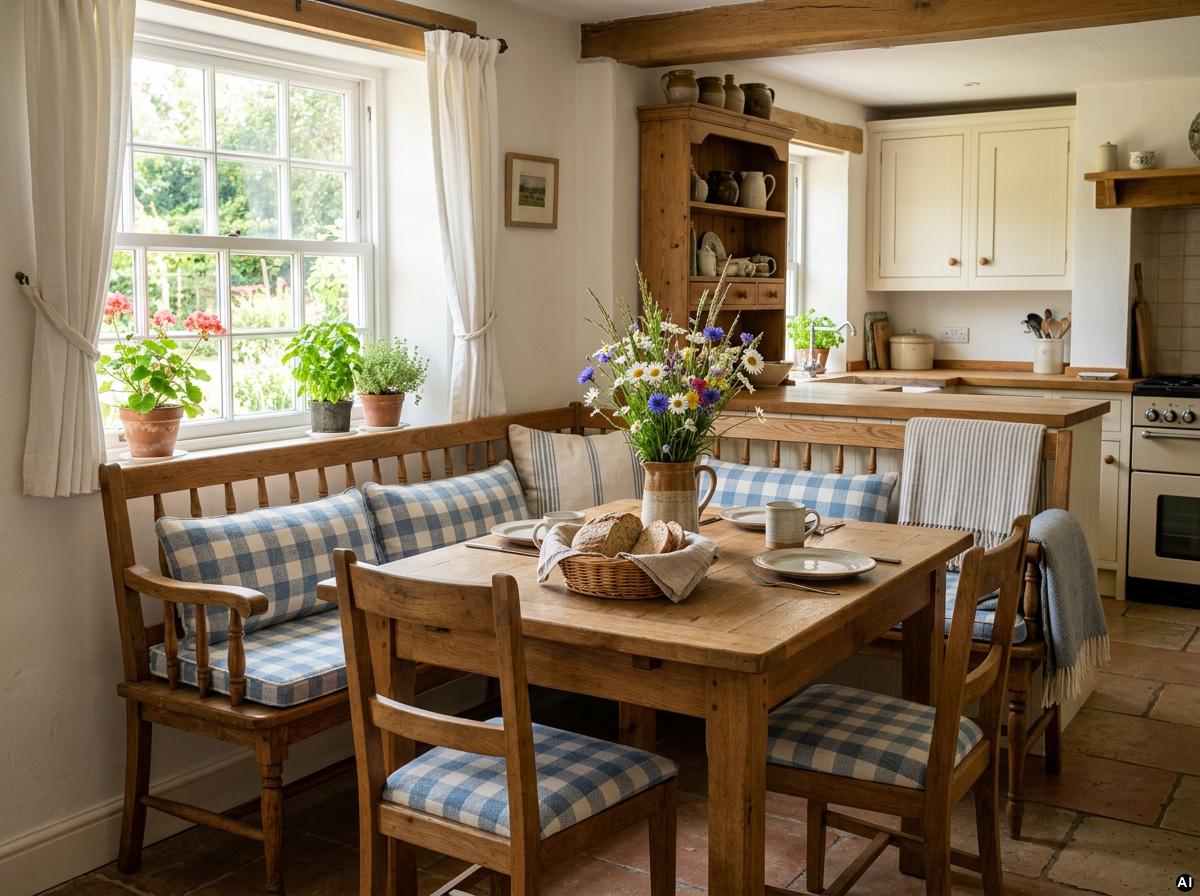
A corner bench gives this place a special warmth. It invites you to slide in and stay a while. Many of us remember one from childhood, with soft cushions and a familiar pattern. Dining chairs carry memories as well, from family dinners to the first meal in a new home.
Over time, though, the fabric starts to show its age. It gets thin at the front edge, the colour fades and stains stay. A new cover can bring the whole corner back to life. The key is to choose a fabric that is ready for daily use. This guide shows you what to look for, step by step.
Why Dining Seats Need Tougher Fabrics
A sofa is used to relax. A dining chair works much harder. People sit down and stand up many times a day. They shift around while they eat and talk. Crumbs, sauces, drinks and sticky fingers add to the strain.
The Spots That Wear First
Front edge
Clothing rubs here every time someone sits down.
Bench corner
Everyone slides over this spot to reach the middle seats.
Top of the backrest
Hands push on it when people get up.
Fibre, Weave and Finish
A hard-wearing fabric starts with a tough fibre. Polyester is very strong. Wool adds warmth and a natural feel. Blends combine the best of both. A tight weave keeps threads in place, so they do not snag or pull.
The finish is the last step in production. It protects the fibres from dirt and moisture. A good fabric still feels supple and soft. That matters, because people often sit at the table for a long time. Always touch a sample before you decide. Run your hand over it, fold it and pull it gently. A good fabric springs back without creases.
Rub Counts for Dining Seats
The Martindale test shows how much rubbing a fabric can take. Higher numbers mean a longer life. Use these figures as a guide:
- Guest room chair, rarely used15,000+
- Family kitchen or dining room30,000+
- Restaurant, café or canteen50,000 to 100,000+
Do Not Forget the Foam
A new cover only looks good on a firm base. Dining seats need a dense foam that does not sink too far. Soft sofa foam is the wrong choice here. It loses its shape fast and leaves a dip in the seat.
Test the old foam before you start. Press down hard and let go. If it springs back quickly, you can reuse it. If it stays flat, feels crumbly or has turned yellow, replace it. A thin layer of polyester wadding on top gives the cover a smooth, rounded edge.
Fabric Types for Benches and Chairs
Your interior style and how often the seats are used will guide your choice.
Upholstery Fabrics
The reliable all-rounder. Stable, easy to work with and available in many colours.
Performance Fabrics
Built for restaurants and hotels. They handle very high rub counts with ease.
Country-Style Fabrics
Gingham, ticking stripes and tiny florals suit a farmhouse kitchen perfectly.
Wool Fabrics
Warm, breathable and naturally hard to ignite. Great for cosy dining corners.
Baroque and Period Fabrics
For antique and classic chairs. They keep the spirit of the original design.
Decorative Fabrics
For scatter cushions, runners and curtains that tie the look together.
Simple Care for Long-Lasting Covers
Dining seats see a lot of action. Even so, they do not need much care. A few easy habits can add years to the life of your cover.
A Quick Care Routine
| When | What to do |
|---|---|
| After meals | Brush off crumbs with a soft brush. |
| Every week | Vacuum seats and the gaps in the bench. |
| Every few months | Swap loose cushions so wear spreads evenly. |
Handling Mealtime Stains
Speed is everything with stains. Blot spills straight away with kitchen paper. Do not rub. For coffee, juice or wine, follow up with plain water and a clean cloth. For grease or butter, add a drop of mild soap to lukewarm water. Work from the edge towards the centre.
Test any method on a hidden part first, such as the underside of a cushion.
What Not to Do
Four Quality Features That Matter at the Table
Colour and pattern catch the eye first. But four technical features decide how well a fabric copes with daily life.
UV Protection for Sunny Corners
Corner benches often sit right by a window. That is lovely for breakfast, but hard on the fabric. UV light fades colours and weakens fibres. After a few years, an unprotected cover can look patchy.
Check the lightfastness rating before you buy. For a bright spot, look for 5 or higher. The higher the rating, the longer the colour stays rich.
Easy Clean: Just Add Water
Easy-clean fabrics are ideal for kitchens. A special finish keeps dirt on the surface, so it does not sink in. Most marks come off with a damp cloth and clean water. You rarely need any cleaning product.
Families with young children will love this. Restaurants save time between services too. Staff can wipe the seats in seconds before the next guests arrive. And fewer harsh products end up in the water.
Water-Repellent Against Spills
With a water-repellent fabric, a knocked-over glass is no disaster. The liquid sits on top in small beads. You simply wipe it away. The foam underneath stays dry.
The fabric still lets air through. So it stays comfortable, even during a long dinner.
Fire Safety for Hospitality
Restaurants, hotels and canteens must meet fire safety rules. They need fabrics with a valid fire test certificate. Across Europe, seating is usually tested to EN 1021-1 and EN 1021-2. The UK uses BS 5852, and the US often refers to California TB 117-2013. Keep the certificate on file for inspections.
Fade-resistant
Cleans with water
Spills bead up
Fire tested
The Benefits Check: Why ProjectLeather Corner Bench and Chair Fabrics Win
At ProjectLeather, we pick our seating fabrics with daily table life in mind. Here is what you get:
Made to Last
High rub counts for seats that are used every single day.
Easy to Live With
Many qualities are treated to resist stains and repel water.
Sold by the Metre
Order just what you need, from one chair to a full restaurant.
Responsible Choice
Eco-friendly production and long-lasting quality go hand in hand.
How Much Fabric Will You Need?
The table is based on fabric roughly 140 cm wide. Allow a bit more for bold patterns.
| Project | Approx. fabric |
|---|---|
| Dining chair seat pad | 0.5 m |
| Chair with seat and padded back | 1.0 to 1.2 m |
| Corner bench, seat only, per running metre | 0.7 to 0.9 m |
| Corner bench, seat and back, per running metre | 1.4 to 1.8 m |
Colours and Textures for Every Style
Our colour range is huge. Think soft oatmeal and dove grey, warm ochre and rust, or deep forest green and navy. You will find the right shade for a sleek city kitchen or a rustic farmhouse table.
Smart Colour Tips for Dining Areas
- Mid tones such as grey, taupe or teal hide small marks well.
- Checks and herringbone make signs of use less visible.
- Match the fabric to the colour of your table and floor.
- Keep the bench plain and add pattern with cushions.
Embossed Surfaces
Embossing gives a cover a fine relief. It looks refined and feels pleasant to the touch. Small marks are also harder to see on a textured surface. For café chairs and restaurant benches, that is a real plus.
Finishing Touches
Piping along the edges gives a bench cushion a crisp outline. It also protects the seam from wear. Buttons or quilting on the backrest add a classic touch. Removable covers with a zip are handy for busy families, as you can take them off for cleaning.
Reupholstering: The Sustainable Way to Refresh
Many corner benches and chairs are made of solid wood. The frame can last for decades. Often, only the cover is worn out. Replacing just the fabric saves money, materials and waste.
Reupholstering has become part of a modern, mindful lifestyle. Keeping a well-made piece shows care and good taste. It also keeps family memories in the room. And it supports local craft, because many upholsterers rely on this kind of work. A refreshed classic often looks better than a new mass-made piece.
Reupholster a Chair Seat in Five Steps
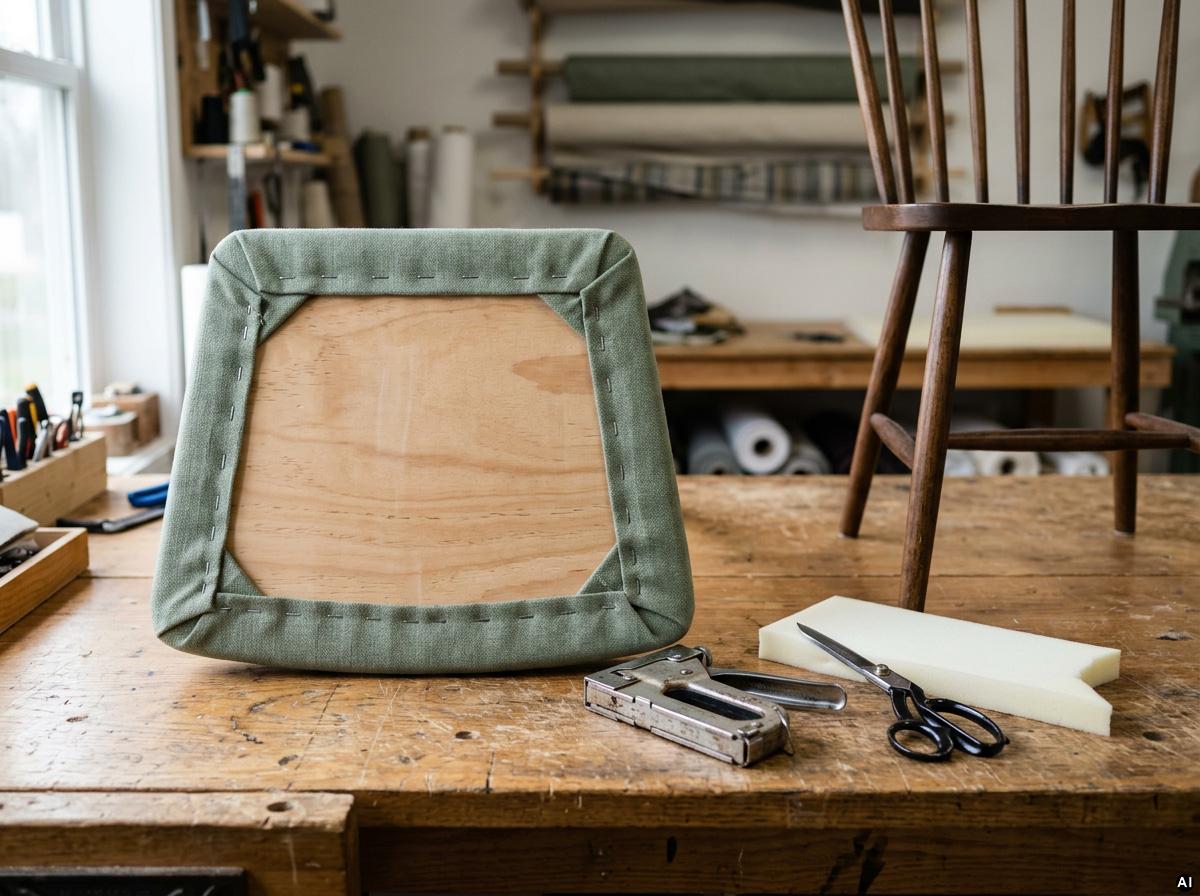
- Unscrew the seat board from the chair frame.
- Remove the old cover. Replace the foam if it feels hard or crumbly.
- Cut the new fabric with about 8 to 10 cm extra on every side.
- Staple the middle of each side first, then work out towards the corners.
- Fold the corners neatly and screw the seat back on.
Your Questions Answered
Can I use decorative fabrics on a seat?
We do not recommend it. Decorative fabrics are made for curtains and cushions. Most of them do not have the rub count a seat needs. Use an upholstery or performance fabric for the bench and chairs. Then add decorative fabrics as scatter cushions for colour.
Which fabric works best with pets?
Choose a tightly woven fabric with a flat surface. Loops and loose textures catch claws. A stain-resistant finish also helps with paw prints and hair. Mid tones close to your pet's coat colour hide hairs best.
Can I reupholster a corner bench myself?
Loose seat cushions are a good DIY project. You can sew new covers with a zip at the back. Fixed upholstery on a built-in bench is harder. For that, an upholstery workshop is often the better choice.
How do I restore an antique dining chair?
Older chairs often have traditional padding with springs, horsehair and hessian. This can usually be saved. Take the chair to an upholsterer to check the inside. Then pick a baroque or period fabric that suits its age and style.
Conclusion: A Great Fabric Makes a Great Dining Corner
Corner benches and dining chairs face more wear than almost any other seating. Look for strong abrasion resistance, simple cleaning and solid UV protection. For restaurants and hotels, add certified fire safety.
With corner bench and chair fabrics from ProjectLeather, your dining area becomes the place everyone wants to sit. Order samples and test colour and feel at your own table.
Order samples