

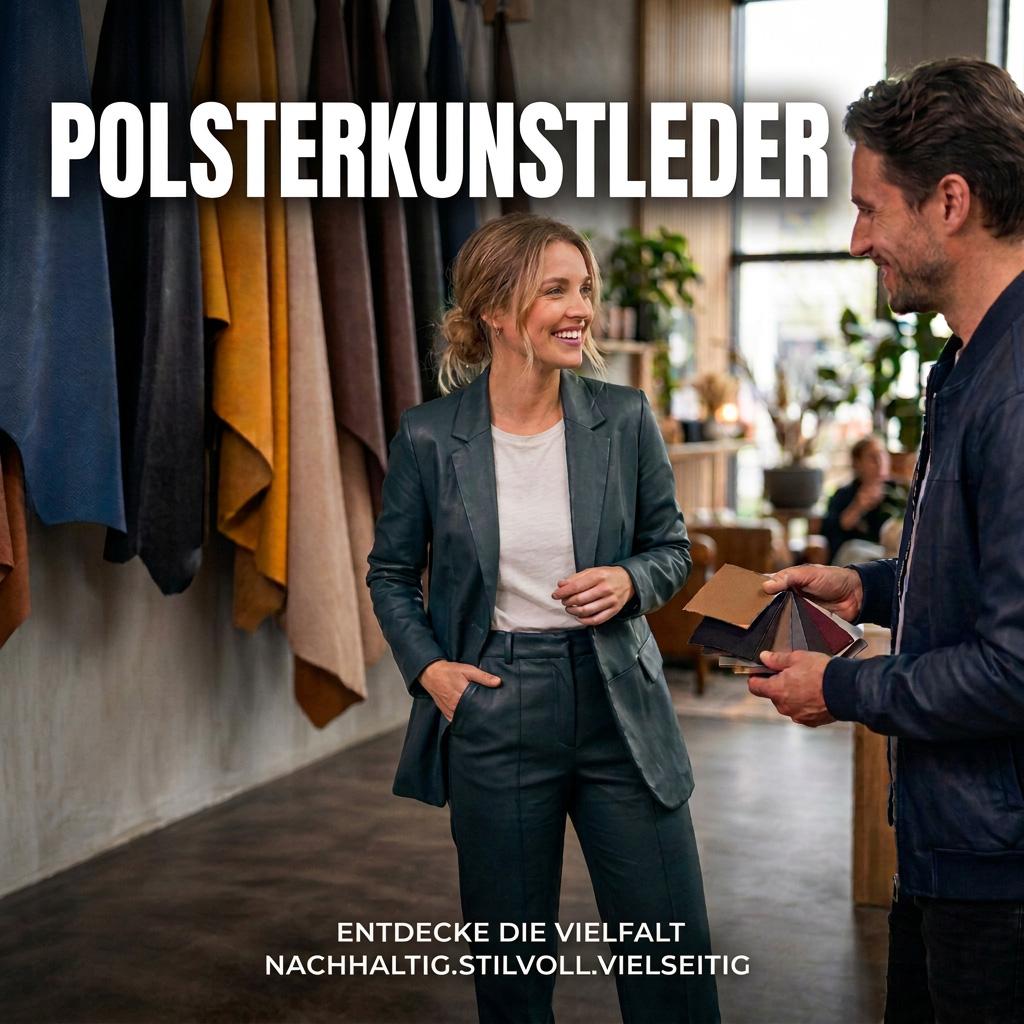
Soft as nappa, tough enough for a busy bar: learn what makes good upholstery faux leather and meet four ProjectLeather collections worth knowing.


Leather. Faux leather. Fabrics - Genuine quality.
Made to be sat on.
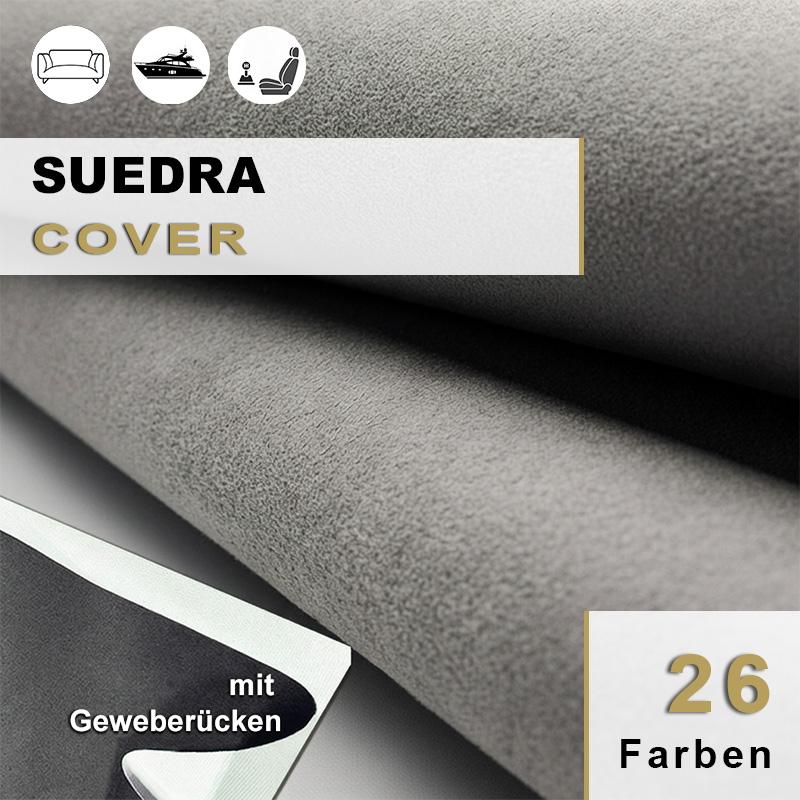
Our store brand Suedra Cover: affordable suede-look microfibre for car interiors and sofas – 3 free samples available
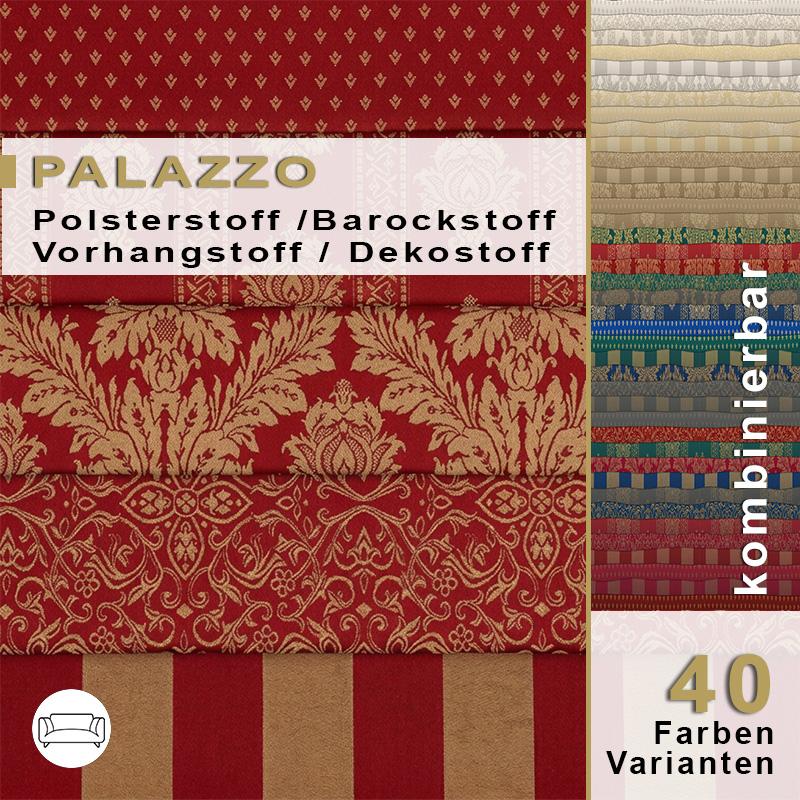
Palazzo baroque fabric for antique furniture – 3 free samples
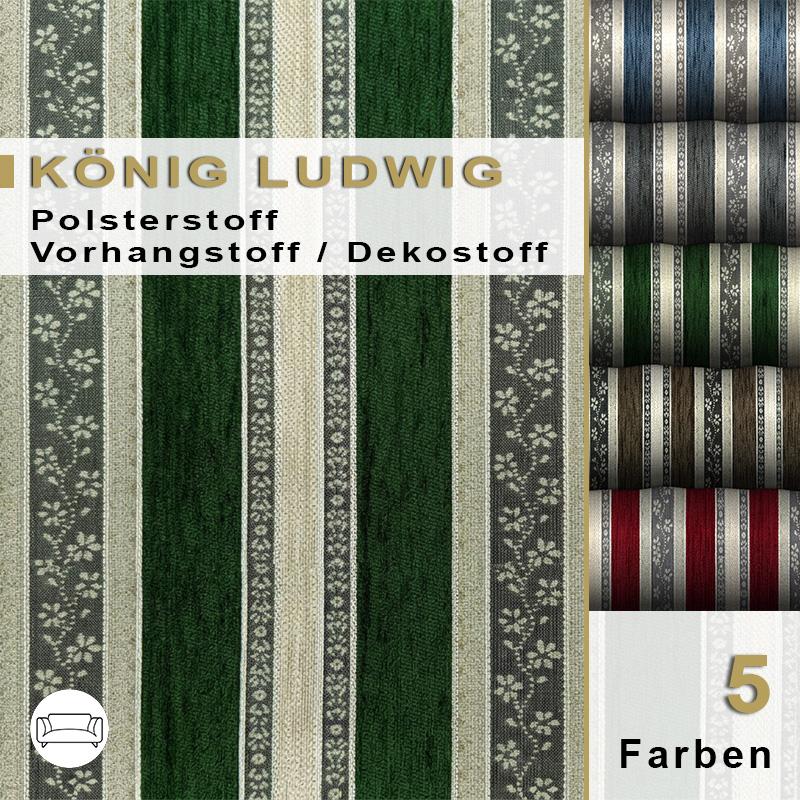
King Ludwig upholstery fabric in country style – 3 free samples
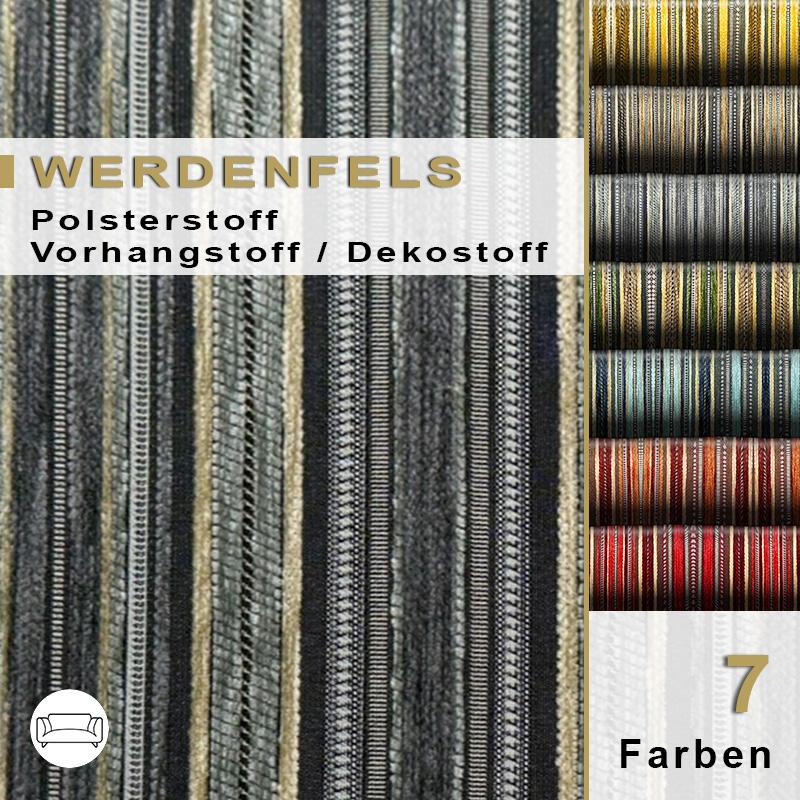
Werdenfels chenille with Teflon stain protection for upholstery – 3 free samples to order
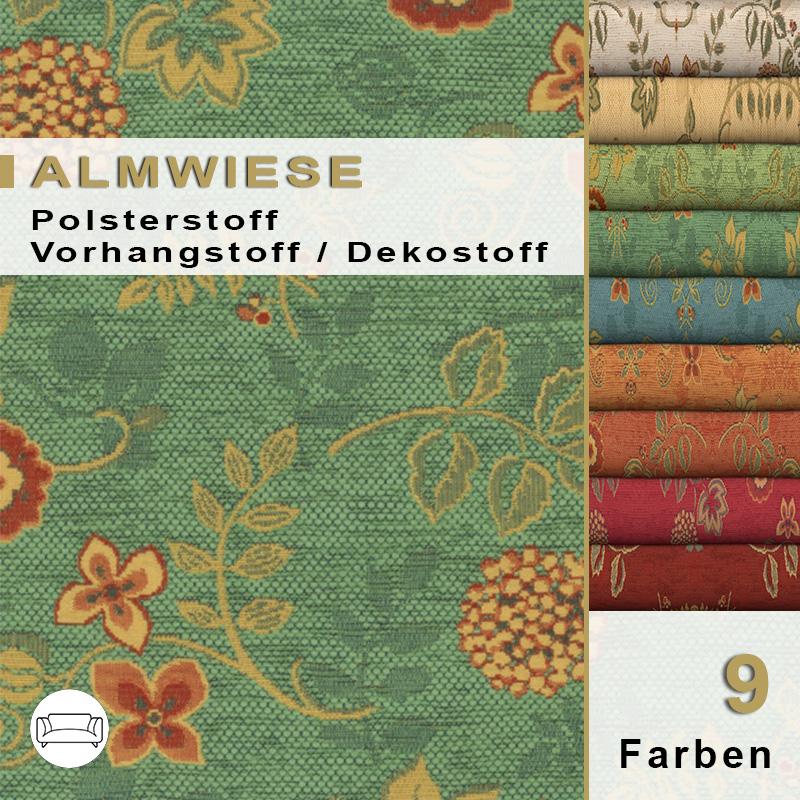
Almwiese country-style fabric: timeless chenille for upholstery and curtains – 3 samples free of charge
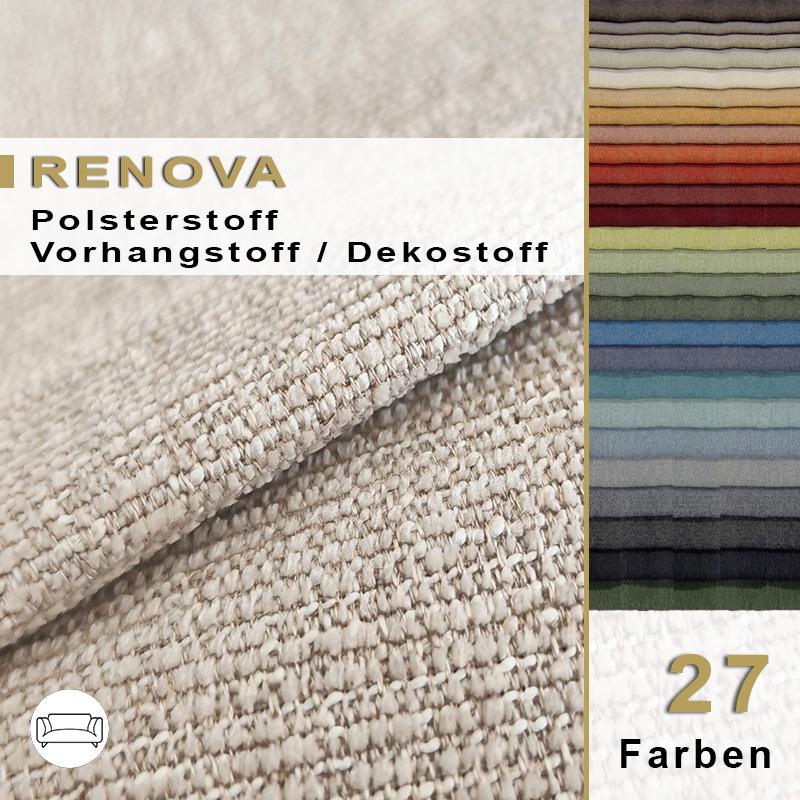
Renova: durable fabric for upholstery, curtains and décor with Quickclean stain protection – 3 free samples
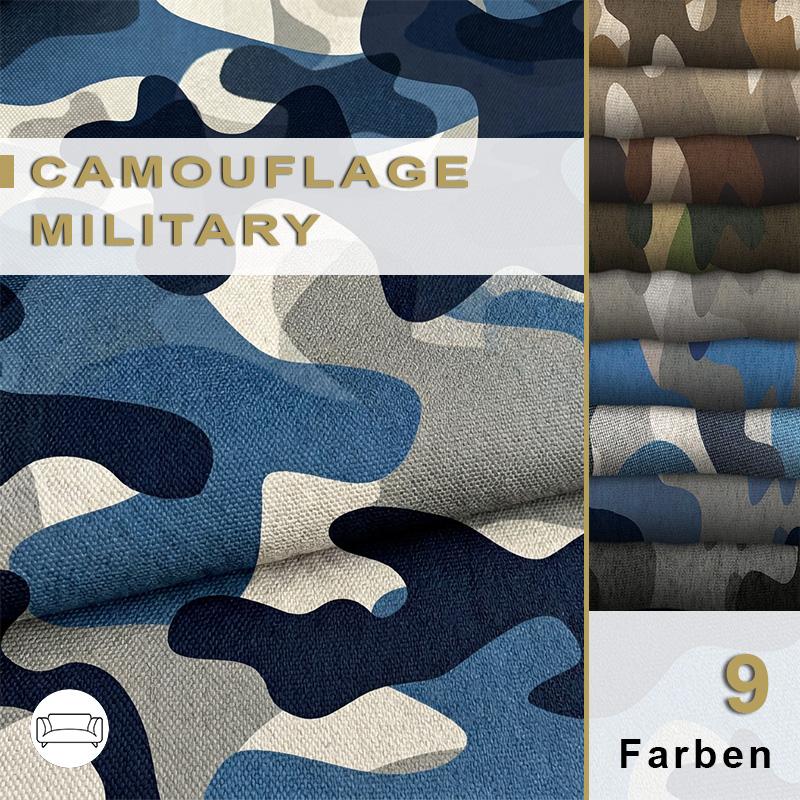
Camouflage | Military: hard-wearing upholstery and curtain fabric with stain protection – 3 free samples
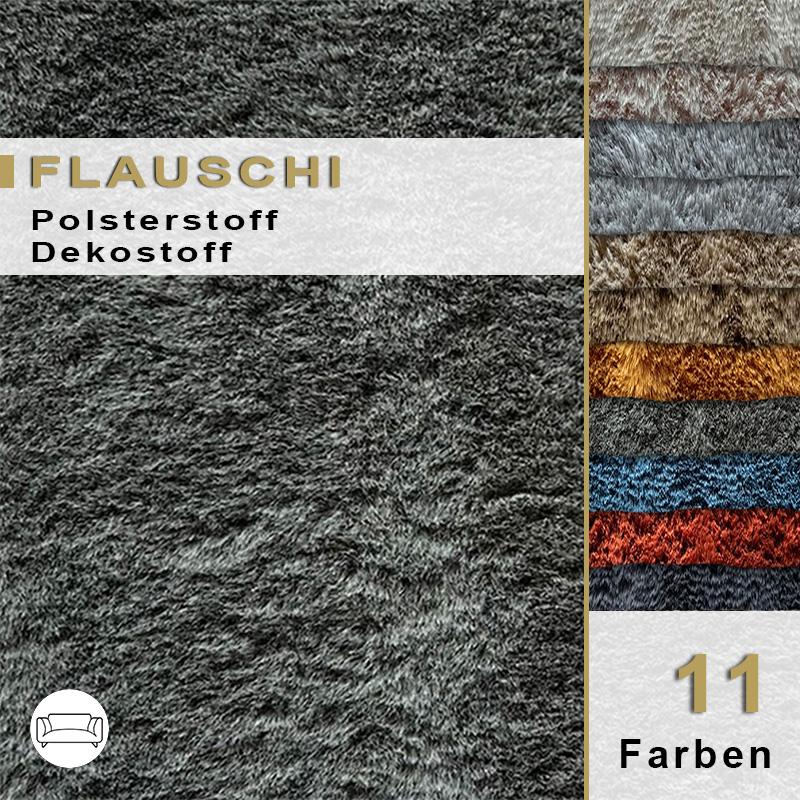
Flauschi faux fur: teddy-soft and dense for cushions, stools and armchairs – 3 samples free of charge
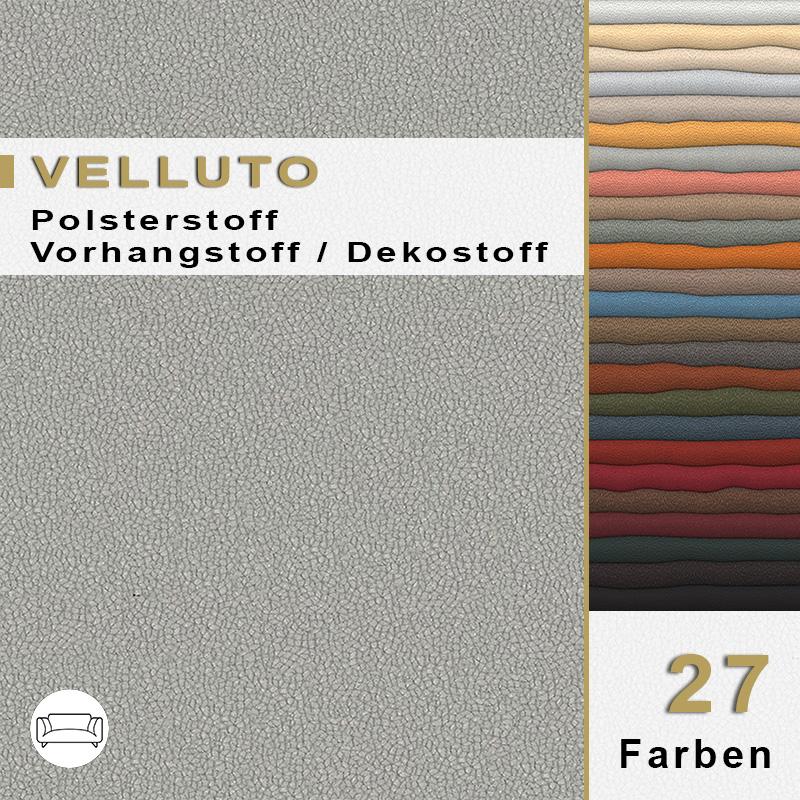
Velluto: cosy structured velour in easy-care microfibre for chairs and armchairs – 3 samples free of charge
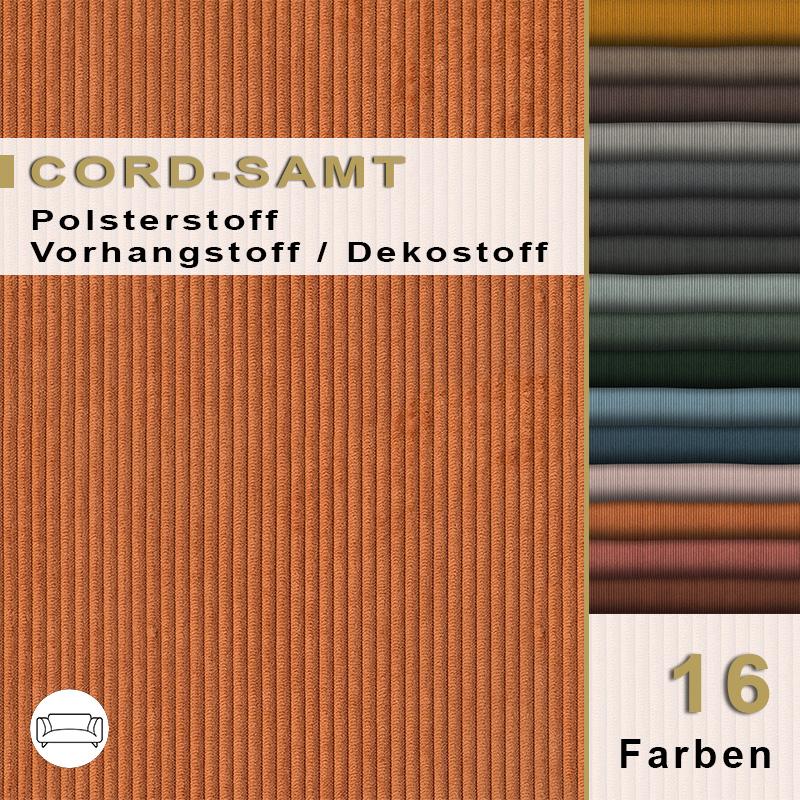
Cord-Samt: corduroy velour in on-trend colours for sofas, armchairs and opaque curtains – 3 free samples
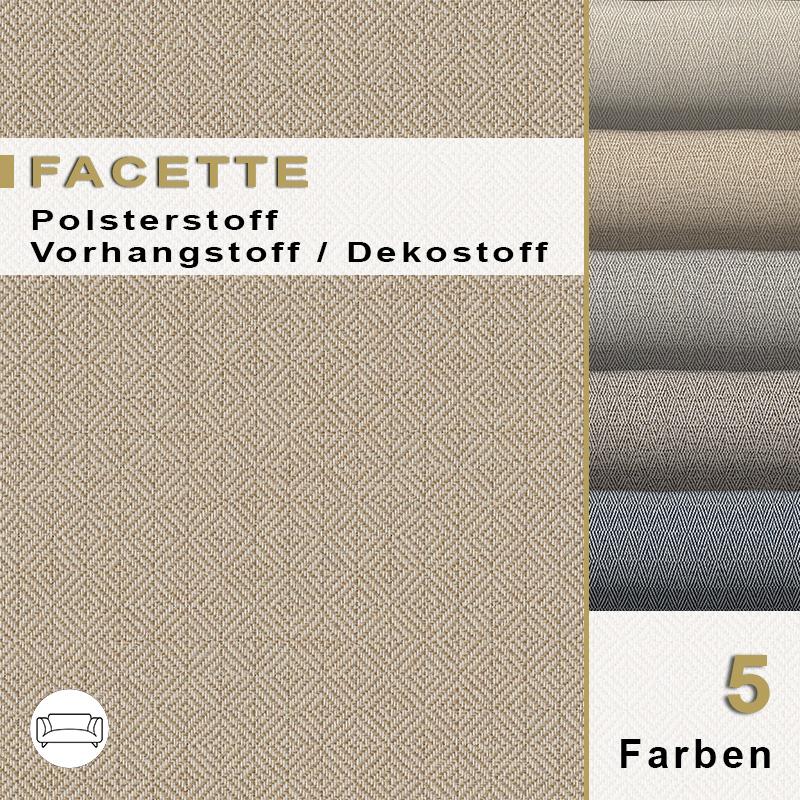
Facette upholstery fabric: soft, elegant diamond weave for sofas, chairs and motorhomes – 3 free samples
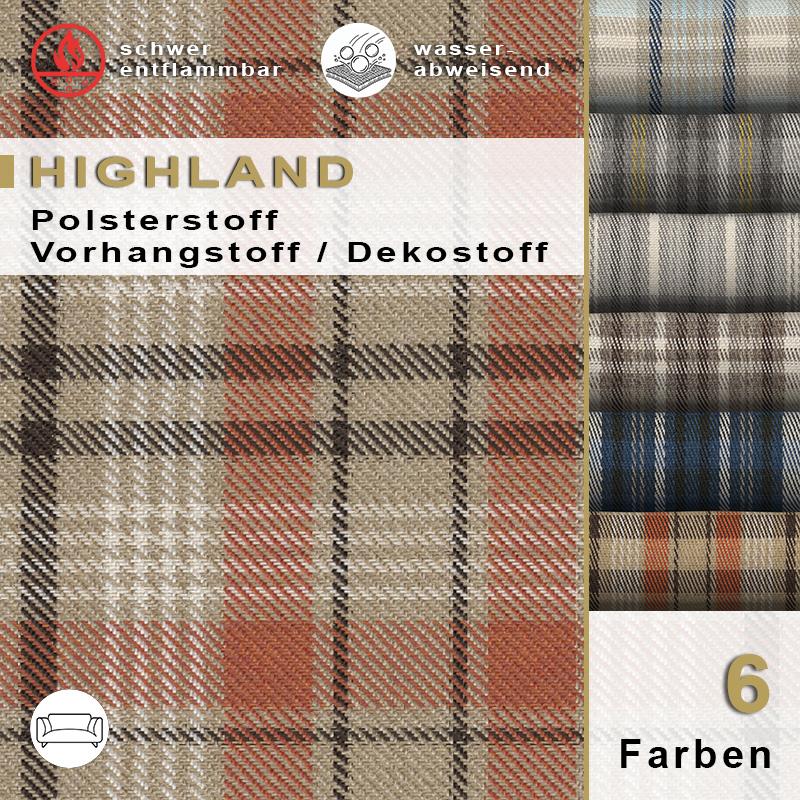
Highland: soft, hard-wearing tartan upholstery fabric for sofas, chairs and caravans – 3 free samples
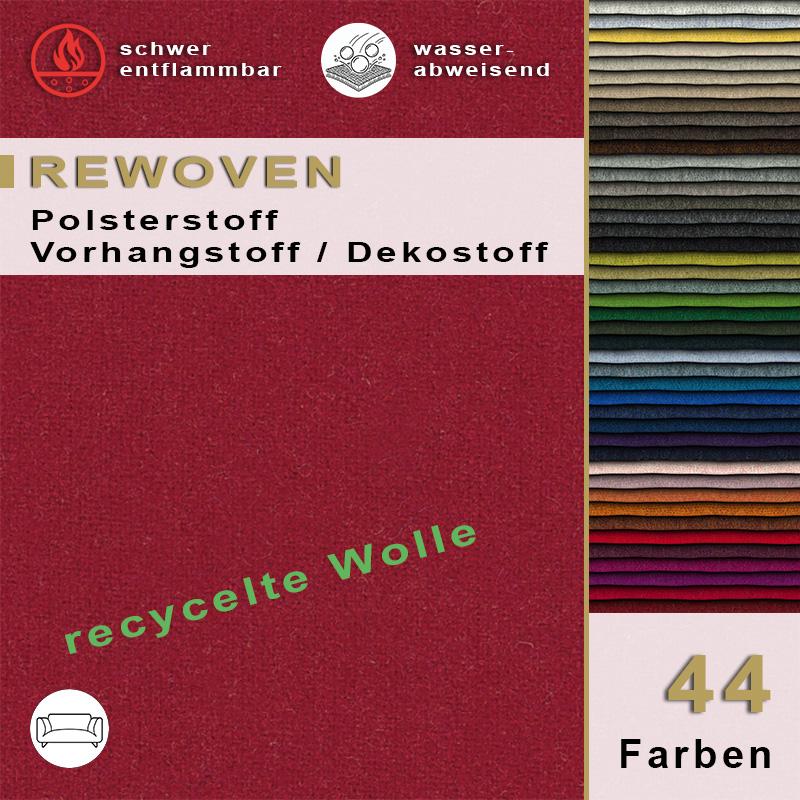
Rewoven upholstery fabric made from 70% recycled wool, soft and easy-care for sofas – 3 free samples available
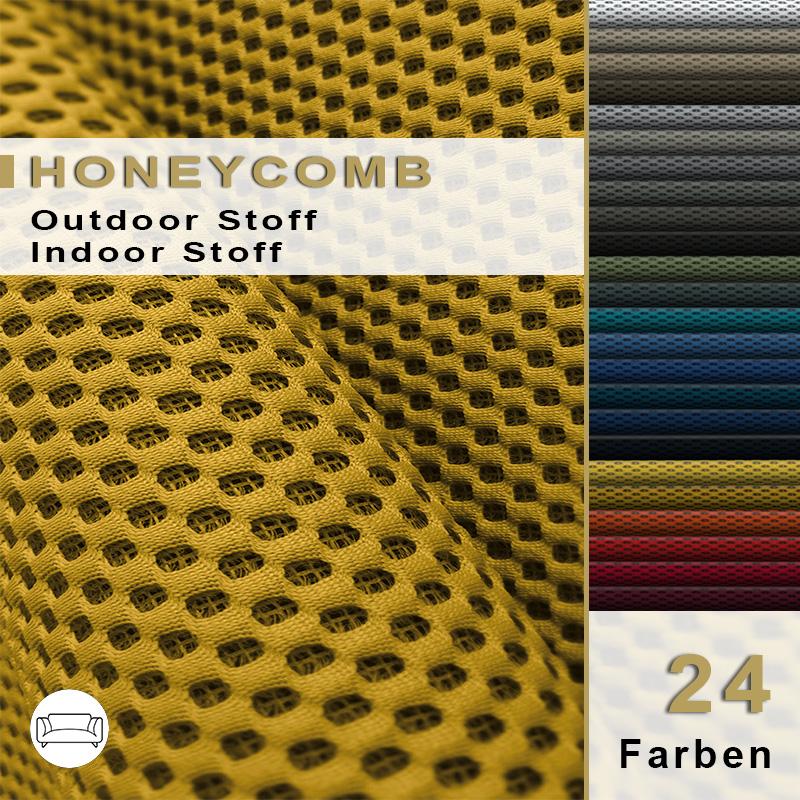
Honeycomb: water-repellent, easy-clean upholstery fabric for gardens, homes and cafés – 3 free samples
The Martindale rub count tells you how much abrasion a cloth withstands. As a rough guide, around 15,000 to 25,000 rubs suits general home use, while busy family seating benefits from 30,000 or more. Check width and colour fastness too.
Velvet upholstery fabric adds depth and a soft sheen. Chenille feels cosy, bouclé brings texture, and a flat weave keeps things crisp. Tightly woven plains hide wear well; a loose weave can snag on pet claws.
Upholstery cloth works wherever you want structure: a padded headboard, a window seat, a hallway bench or a footstool. It also makes sturdy cushion covers. A stain-resistant upholstery fabric is a sensible pick for dining chairs.
Start with a drop-in dining seat. Unscrew the pad, cut the cloth with a generous margin, pull it taut and staple from the centre outwards. One evening, one chair, and you will know whether to tackle the armchair next.
Werdenfels chenille with Teflon stain protection for upholstery – 3 free samples to order
Renova: durable fabric for upholstery, curtains and décor with Quickclean stain protection – 3 free samples
Velluto: cosy structured velour in easy-care microfibre for chairs and armchairs – 3 samples free of charge
Our store brand Suedra Cover: affordable suede-look microfibre for car interiors and sofas – 3 free samples available
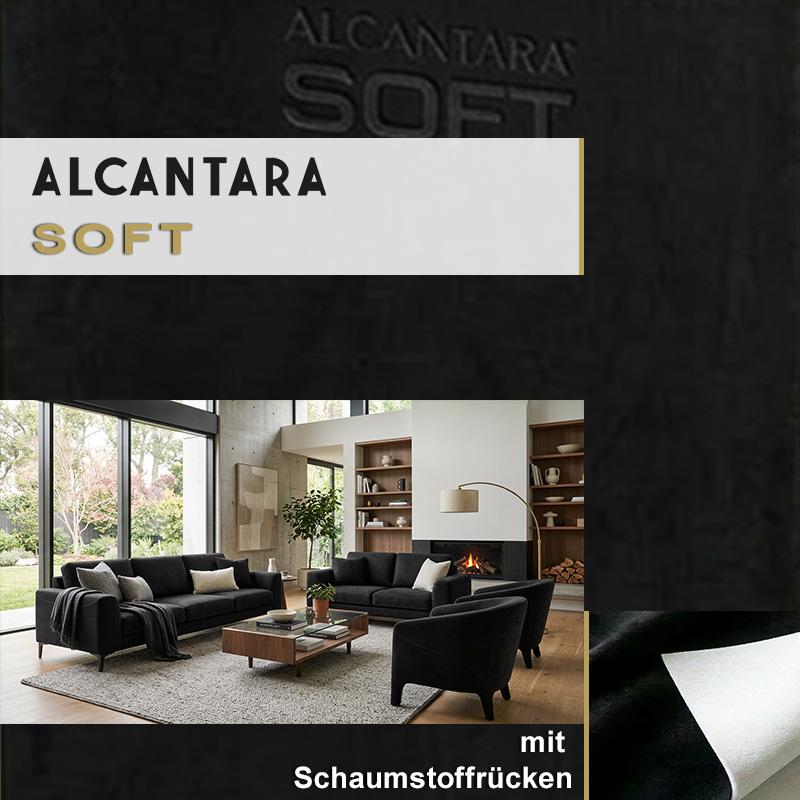
Alcantara® SOFT is the highly elastic and adaptable premium fabric by the meter, engineered for sophisticated interior lining and upholstery projects. Featuring an incredibly soft tactile feel and exceptional stretch capabilities, this elite micro-suede is ideal for detailed headliner restorations, custom caravan interiors, and high-end furniture designs.
Palazzo baroque fabric for antique furniture – 3 free samples
King Ludwig upholstery fabric in country style – 3 free samples
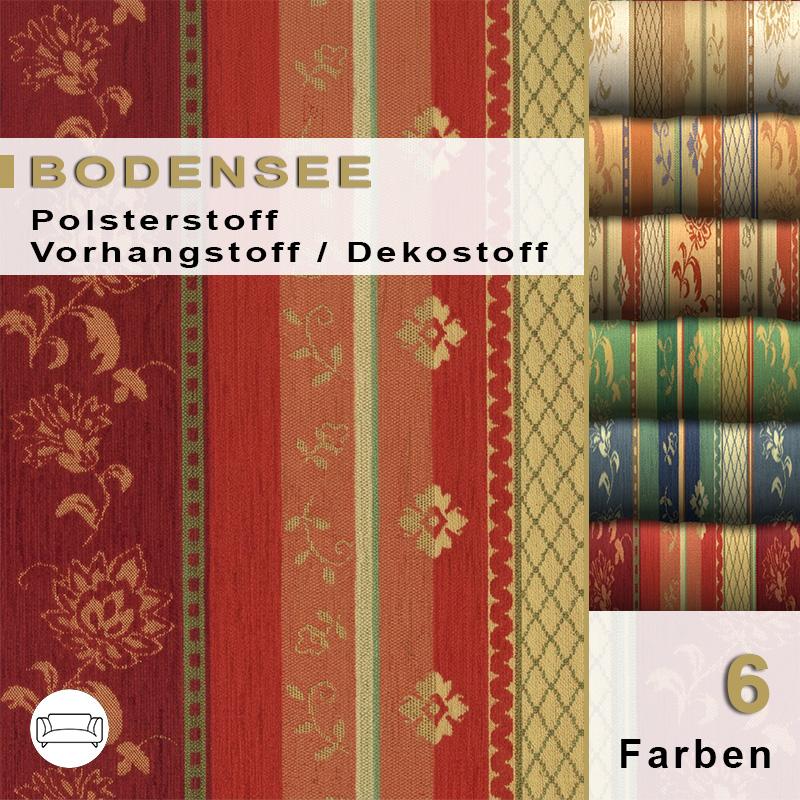
Bodensee: chenille fabric with stain protection for sofas and curtains – 3 free samples
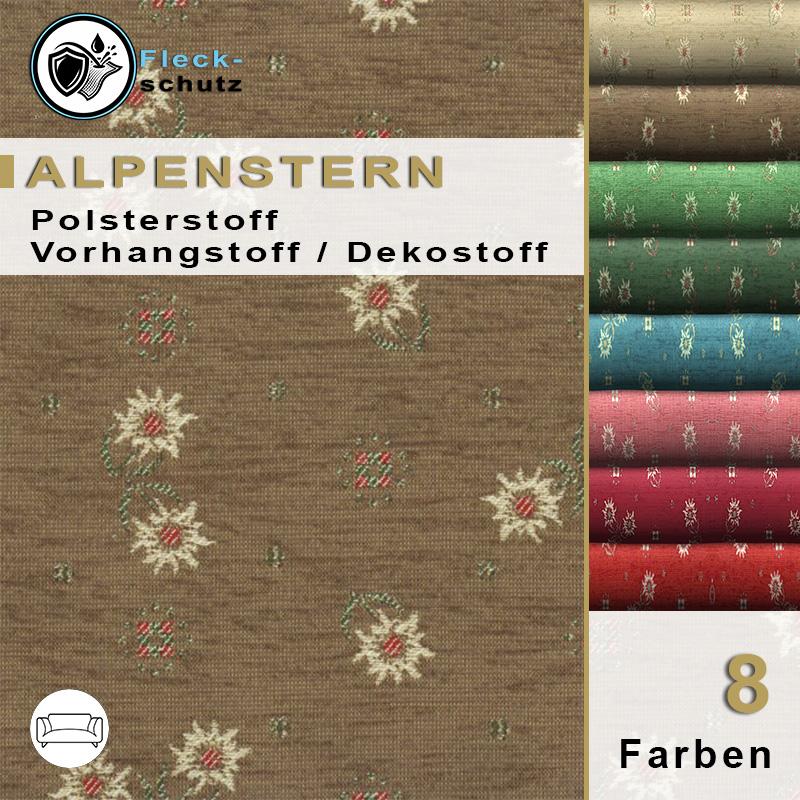
Alpenstern: stain-protected fabric for upholstery, curtains and decor – 3 free samples
Almwiese country-style fabric: timeless chenille for upholstery and curtains – 3 samples free of charge
For a sofa used every day, look for roughly 25,000 to 30,000 rubs or more. Lower figures are fine for occasional chairs and decorative pieces. The higher the Martindale rub count, the longer the surface resists wear.
Cushions, yes: the weight makes covers that keep their shape. For curtains it depends on the cloth, as heavy weaves hang stiffly and need strong tracks. Lighter upholstery weights can work well for Roman blinds.
No, the finish is applied at fibre level, so the cloth keeps its texture and stays breathable. You will only notice it when a spill beads up instead of sinking in.
Go for a tight weave with a stain-resistant finish, since dining seats meet crumbs and sauces. Flat weaves and short-pile velvets wipe down easily. Mid-tones and subtle patterns disguise marks better than pale plains.
Generally not. Washing can shrink the cloth, change its handle and reduce the protective finish. Use it as supplied and spot-clean once it is on the furniture.
 | Blog
Soft as nappa, tough enough for a busy bar: learn what makes good upholstery faux leather and meet four ProjectLeather collections worth knowing.
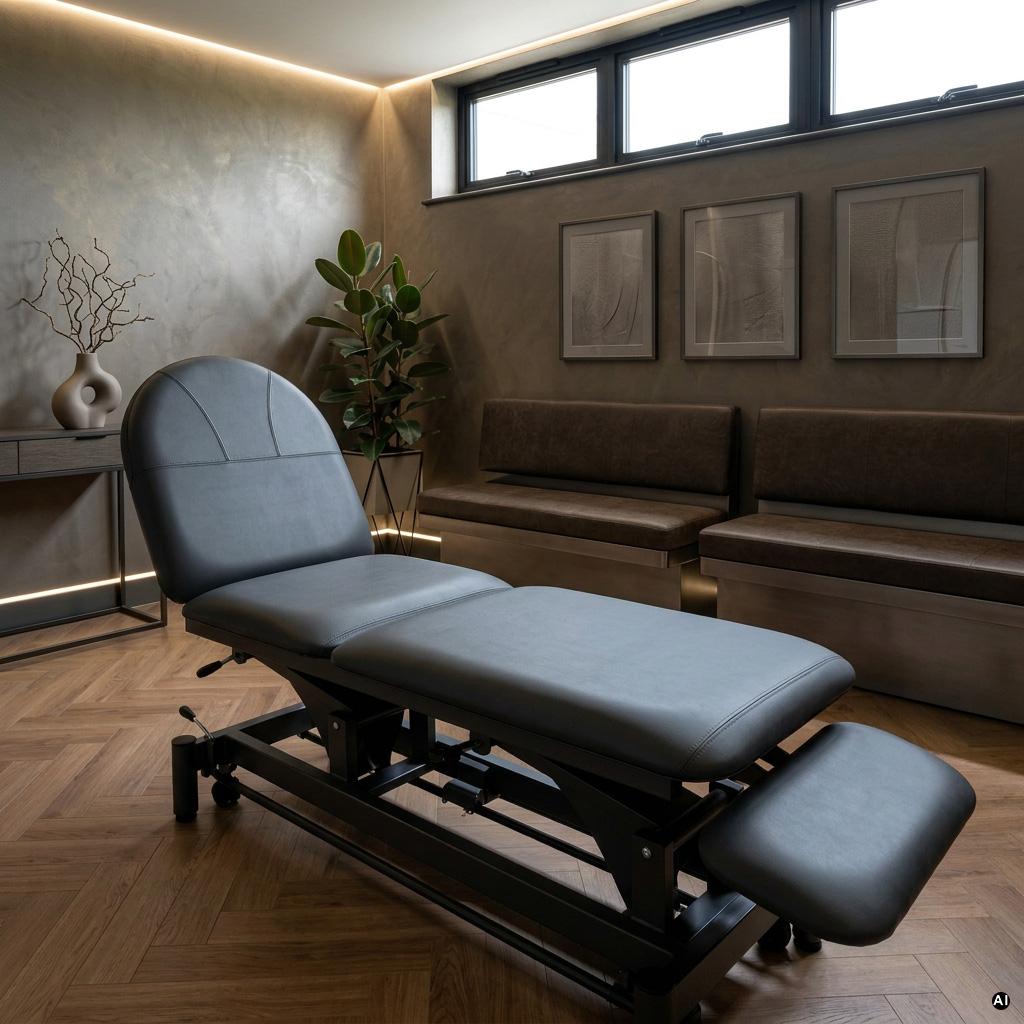
Couches, waiting rooms, therapy pools: what medical synthetic leather must withstand, how to clean it safely and which five collections we recommend.

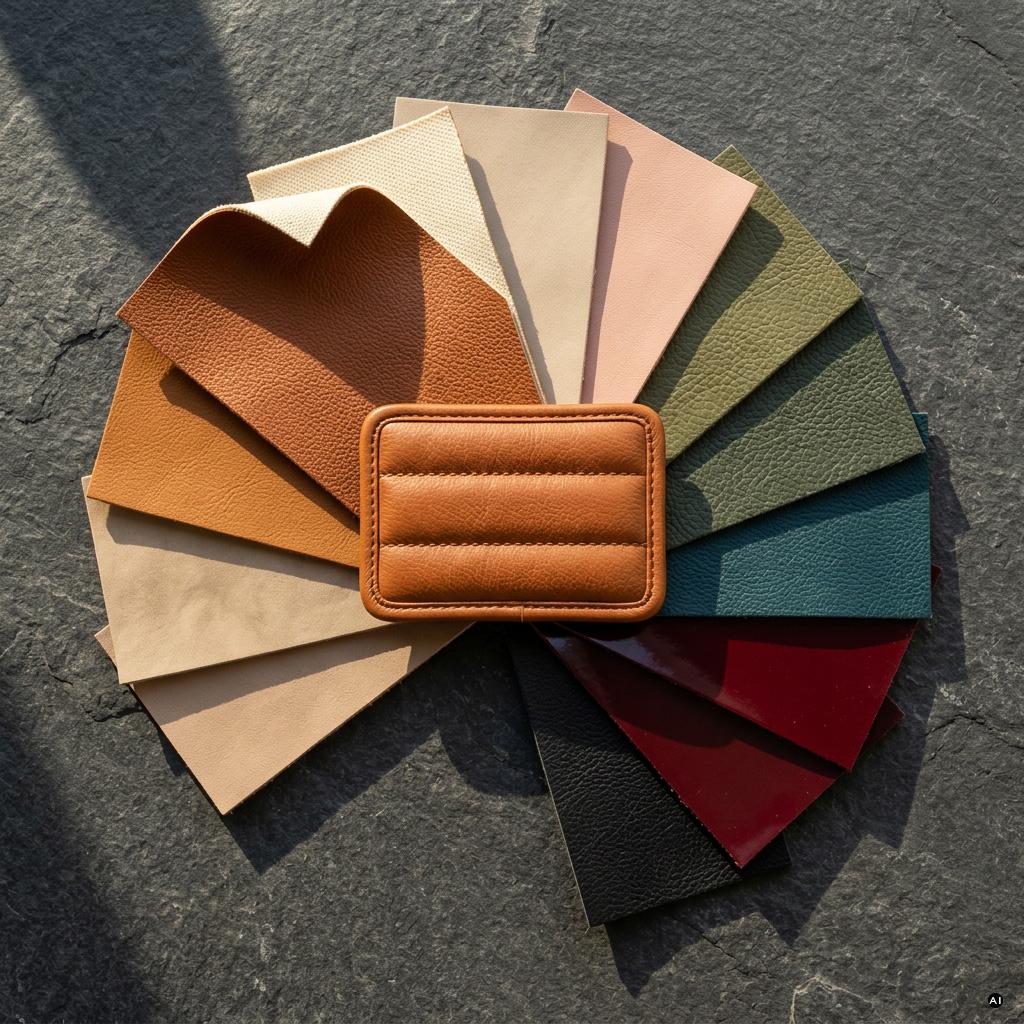
Hotel bar, clinic or family dining room? Learn how seven skai® collections differ in feel, wear, fire safety and colour, and which one fits your job.
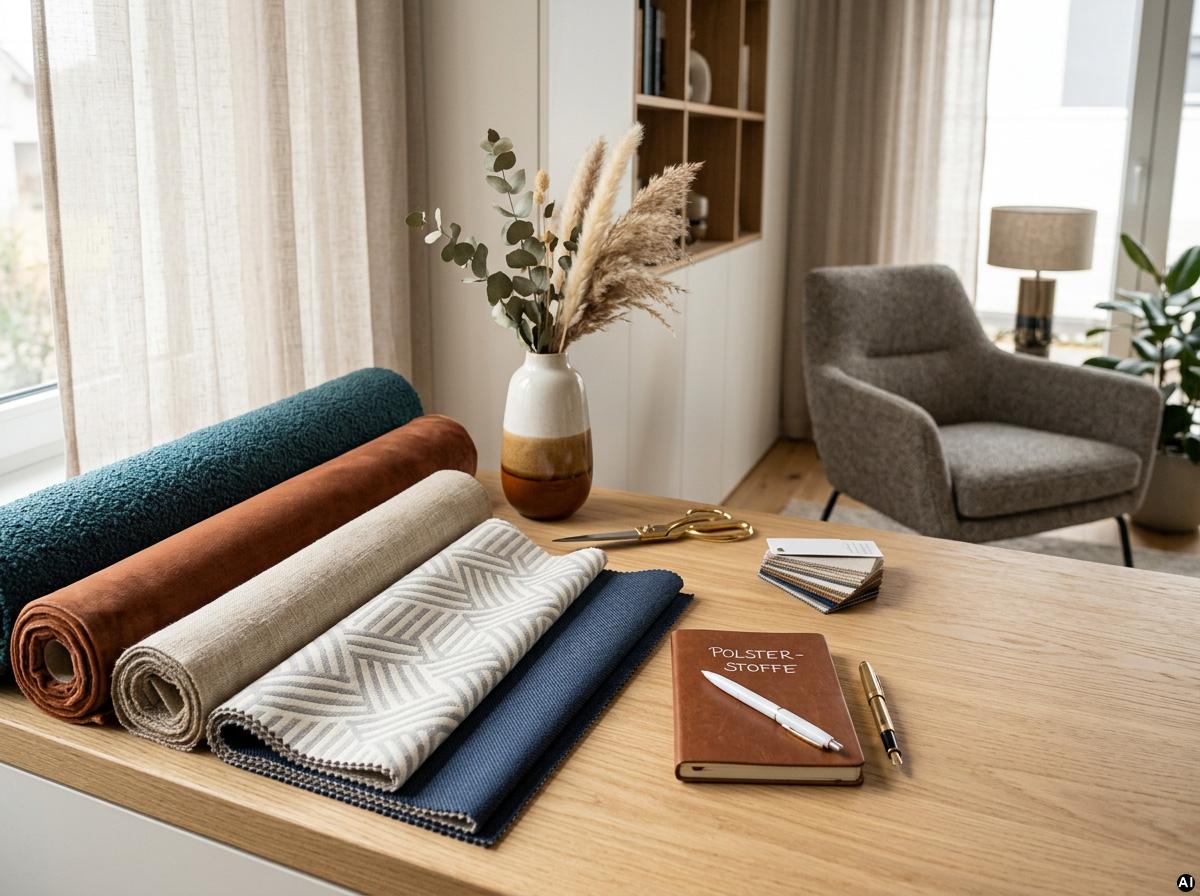
Velvet, bouclé or a plain weave? Learn which upholstery fabrics suit your sofa or armchair, what the label figures mean and how to care for them.

|