
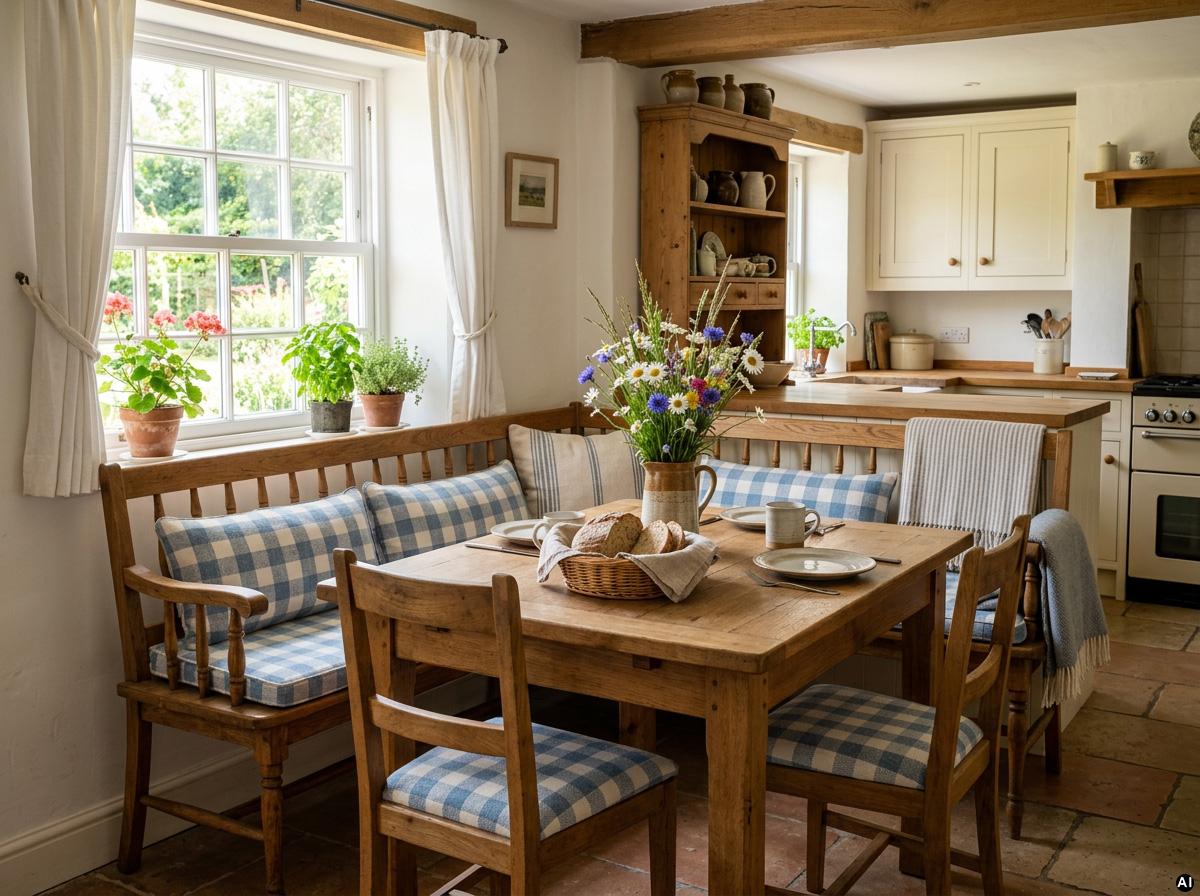
Reupholstering a corner bench or dining chairs? Find out which fabrics cope with daily meals, spills and kids, and how to keep them looking fresh.


Leather. Faux leather. Fabrics - Genuine quality.
Cosy country charm, cut to size and stitched by you.
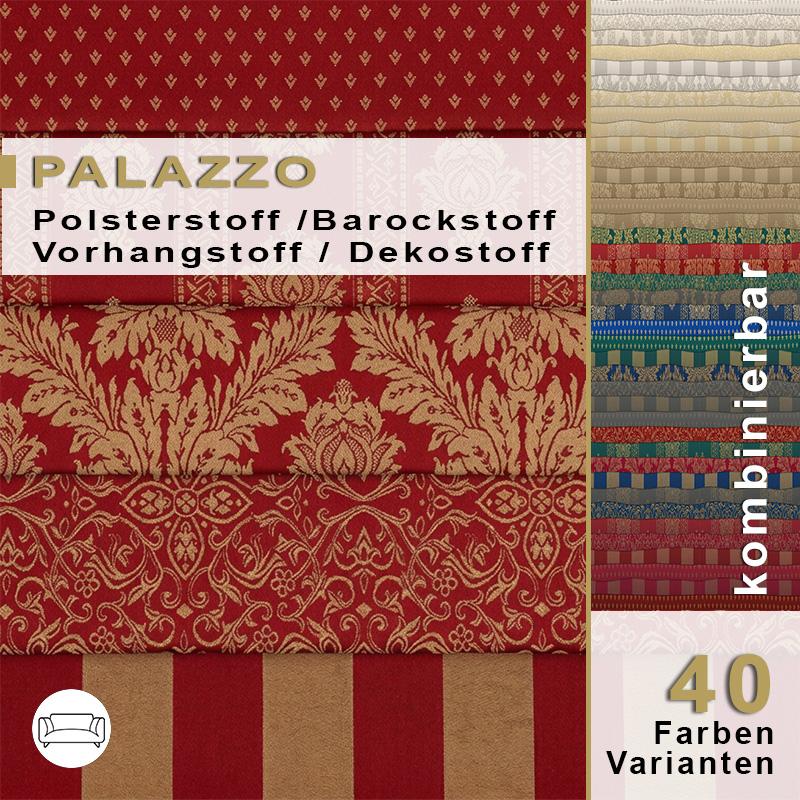
Palazzo baroque fabric for antique furniture – 3 free samples
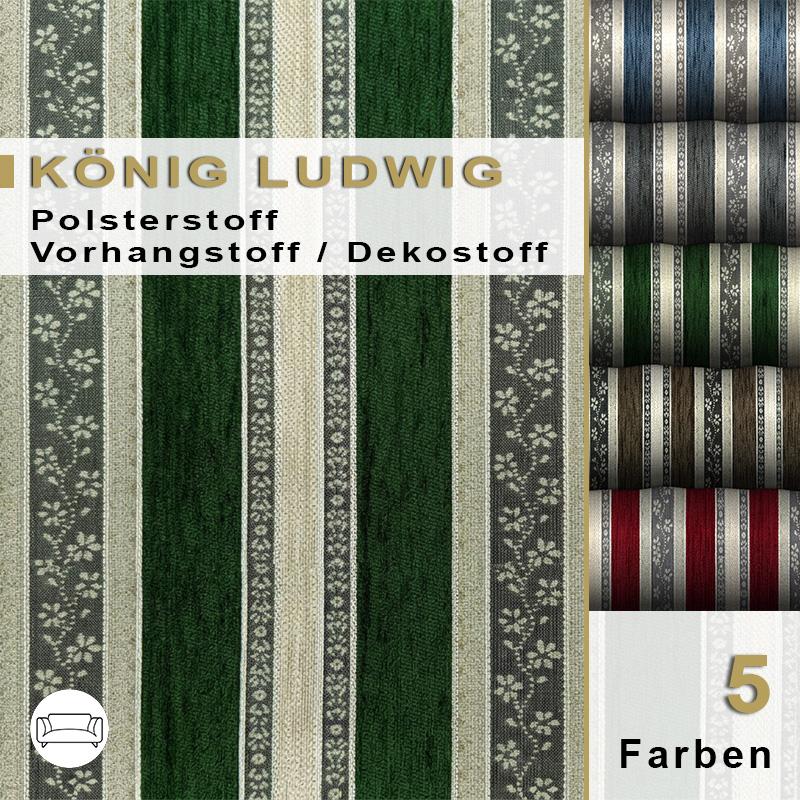
King Ludwig upholstery fabric in country style – 3 free samples
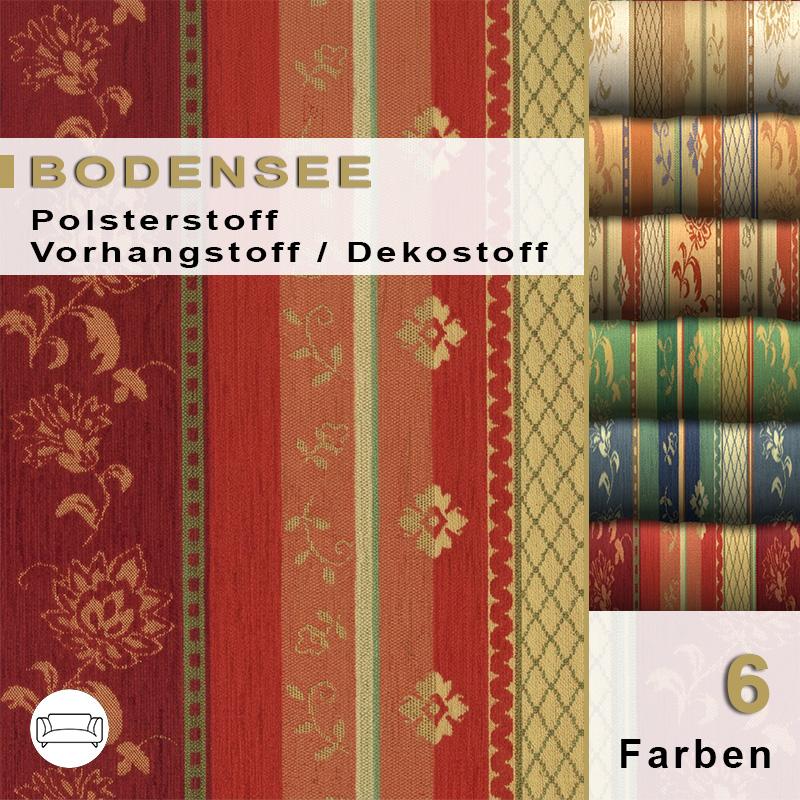
Bodensee: chenille fabric with stain protection for sofas and curtains – 3 free samples
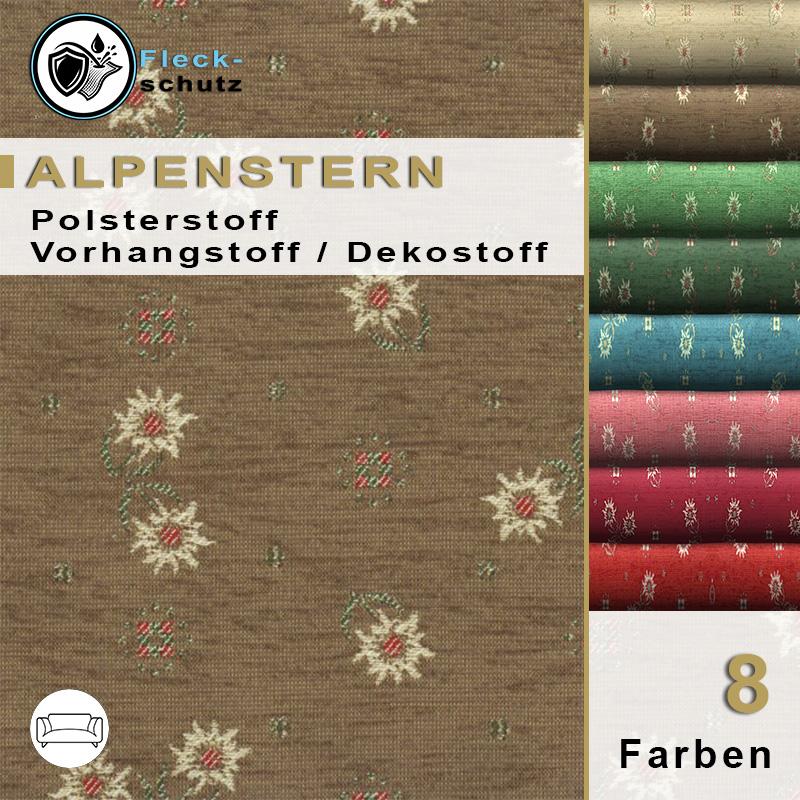
Alpenstern: stain-protected fabric for upholstery, curtains and decor – 3 free samples
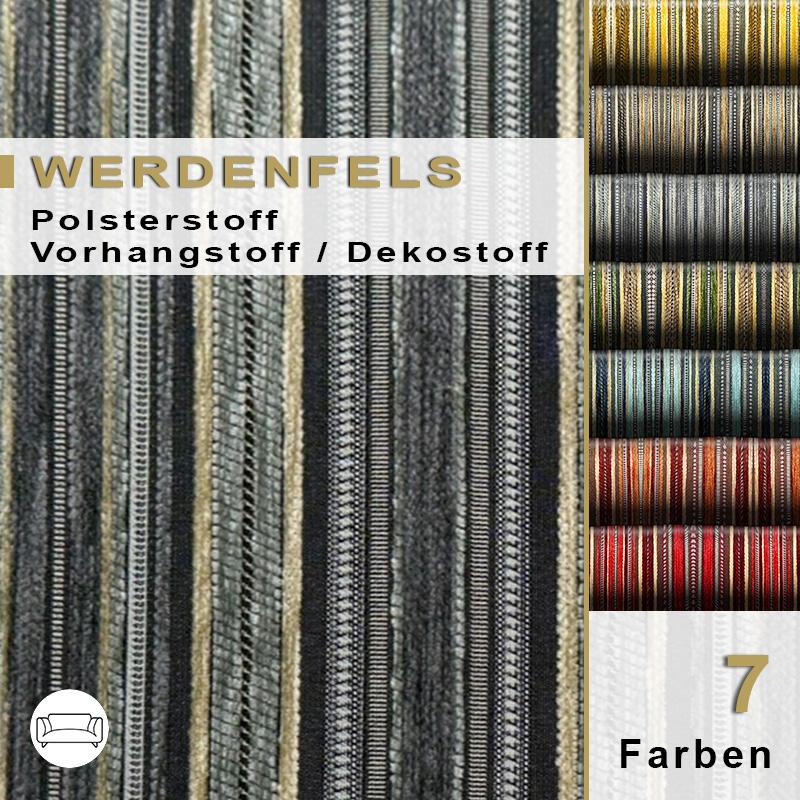
Werdenfels chenille with Teflon stain protection for upholstery – 3 free samples to order
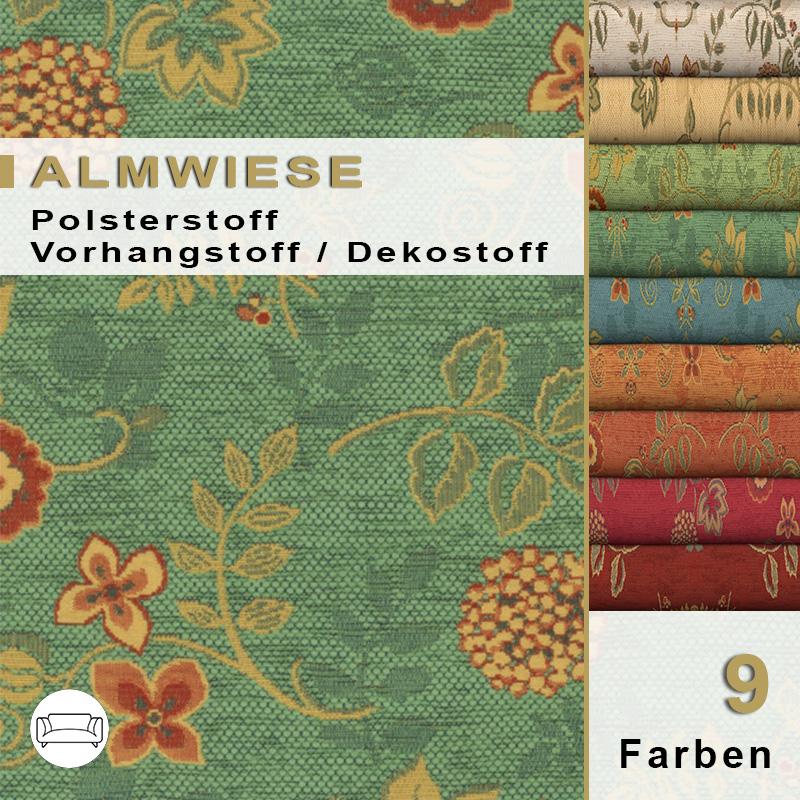
Almwiese country-style fabric: timeless chenille for upholstery and curtains – 3 samples free of charge
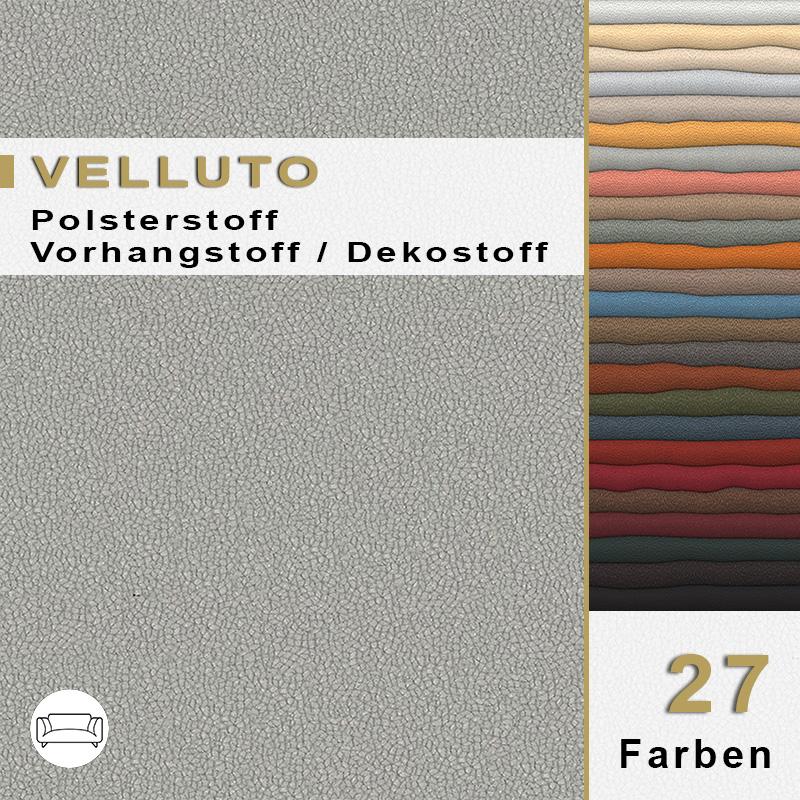
Velluto: cosy structured velour in easy-care microfibre for chairs and armchairs – 3 samples free of charge
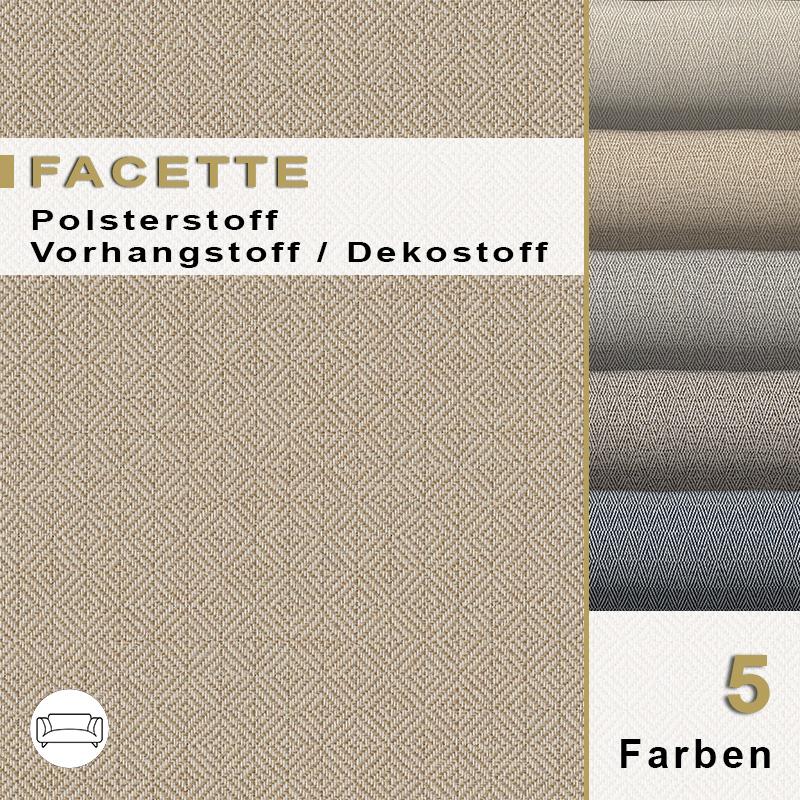
Facette upholstery fabric: soft, elegant diamond weave for sofas, chairs and motorhomes – 3 free samples
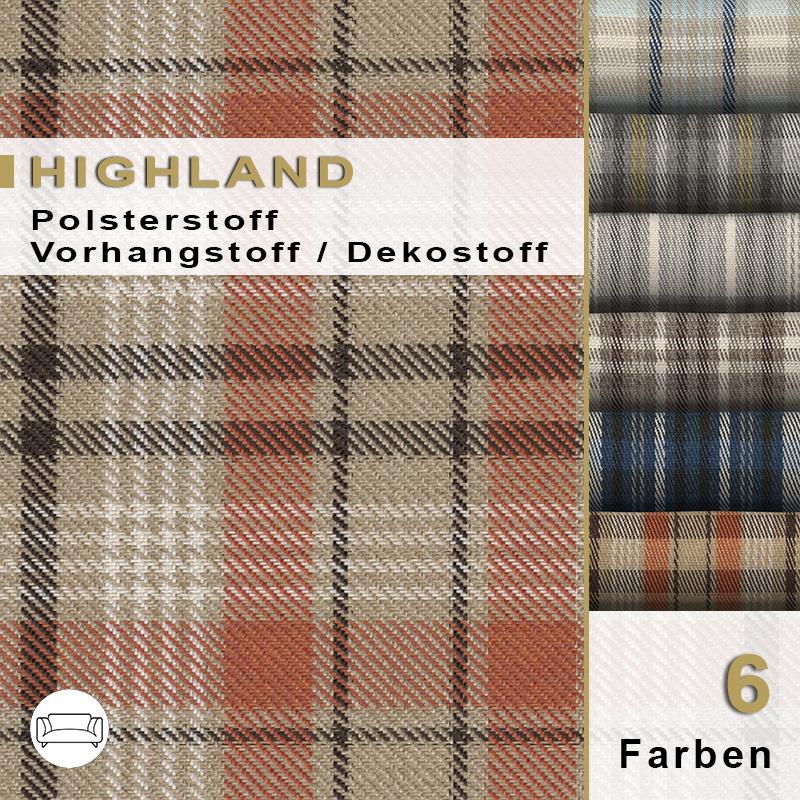
Highland: soft, hard-wearing tartan upholstery fabric for sofas, chairs and caravans – 3 free samples
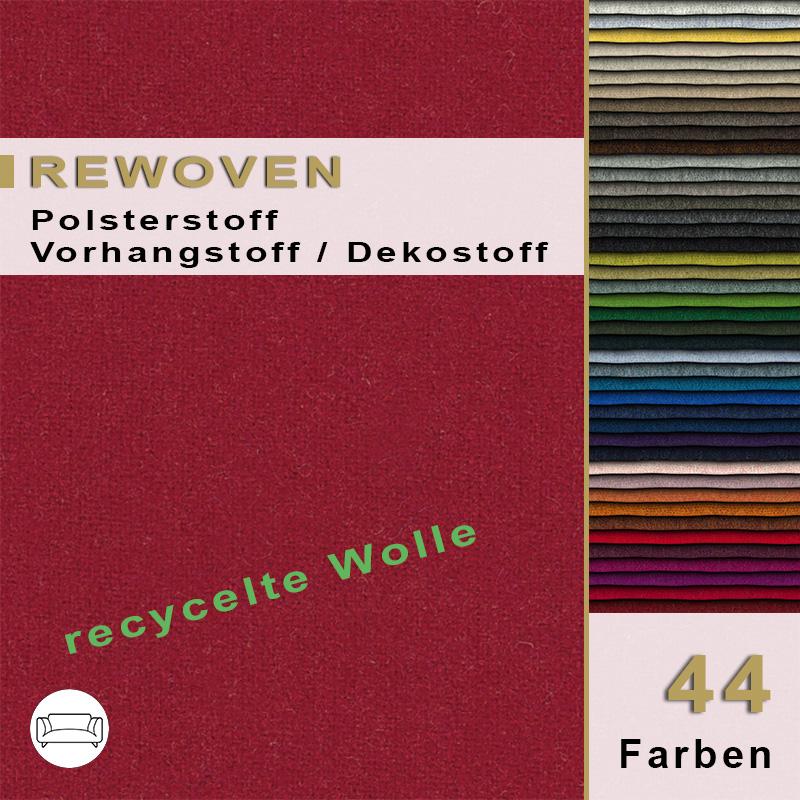
Rewoven upholstery fabric made from 70% recycled wool, soft and easy-care for sofas – 3 free samples available
Check the fibre content, weight and width on each product page. Heavier cotton canvas or linen blends work for seat pads and headboards. Lighter cottons are better for bunting, aprons and blinds.
Gingham and ticking stripes are the backbone of the look. Ditsy florals and rose prints soften it. Toile adds a pastoral scene printed in a single colour.
Cover a headboard, sew a quilted throw or make scatter cushions for the sofa. An armchair reupholstered in a muted check looks instantly at home next to a wood burner.
Most cottons are machine washable, so check each fabric's recommended temperature. Pre-wash natural fibres before cutting to allow for shrinkage. Linen irons best while it's still slightly damp.
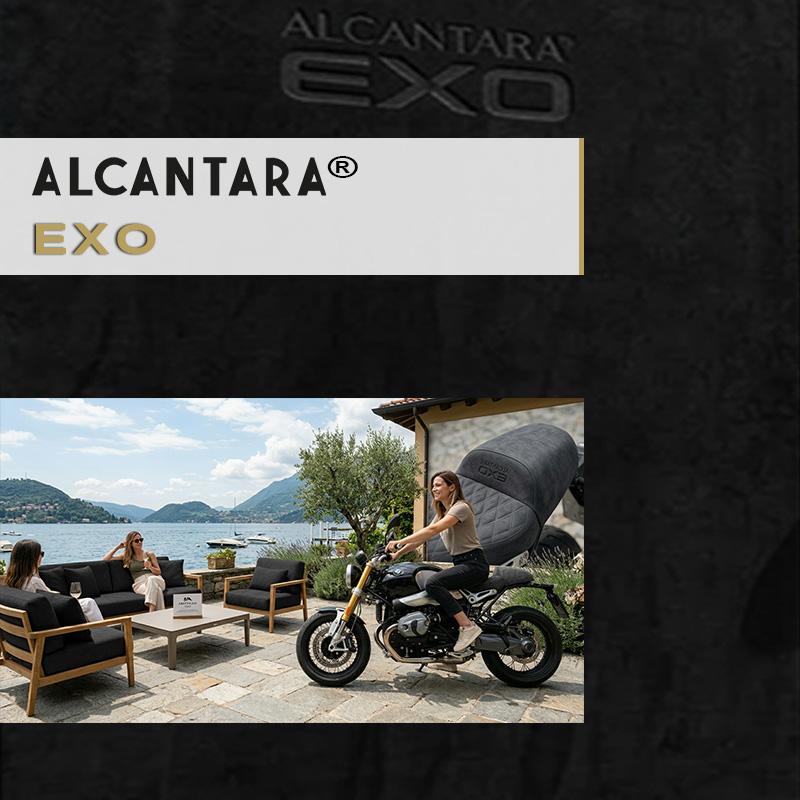
Alcantara EXO with foam backing represents the pioneering high-tech fabric designed to meet the highest expectations in the European outdoor, marine, and automotive sectors. This exclusive premium material combines a luxurious wild-suede aesthetic with absolute UV stability and water-repellent performance for commercial trimming shops, design studios, and high-end private projects.
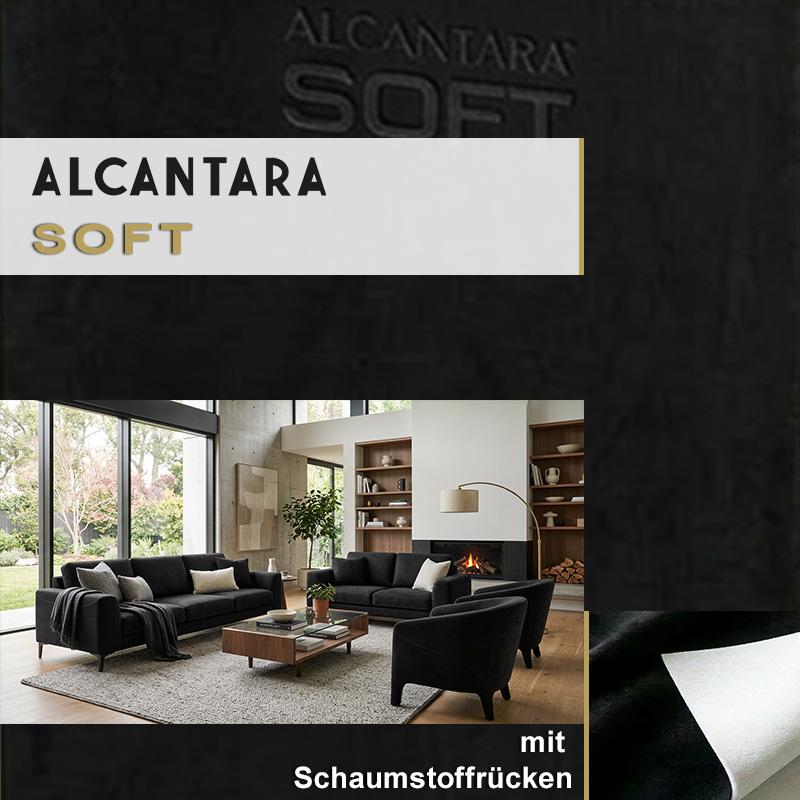
Alcantara® SOFT is the highly elastic and adaptable premium fabric by the meter, engineered for sophisticated interior lining and upholstery projects. Featuring an incredibly soft tactile feel and exceptional stretch capabilities, this elite micro-suede is ideal for detailed headliner restorations, custom caravan interiors, and high-end furniture designs.
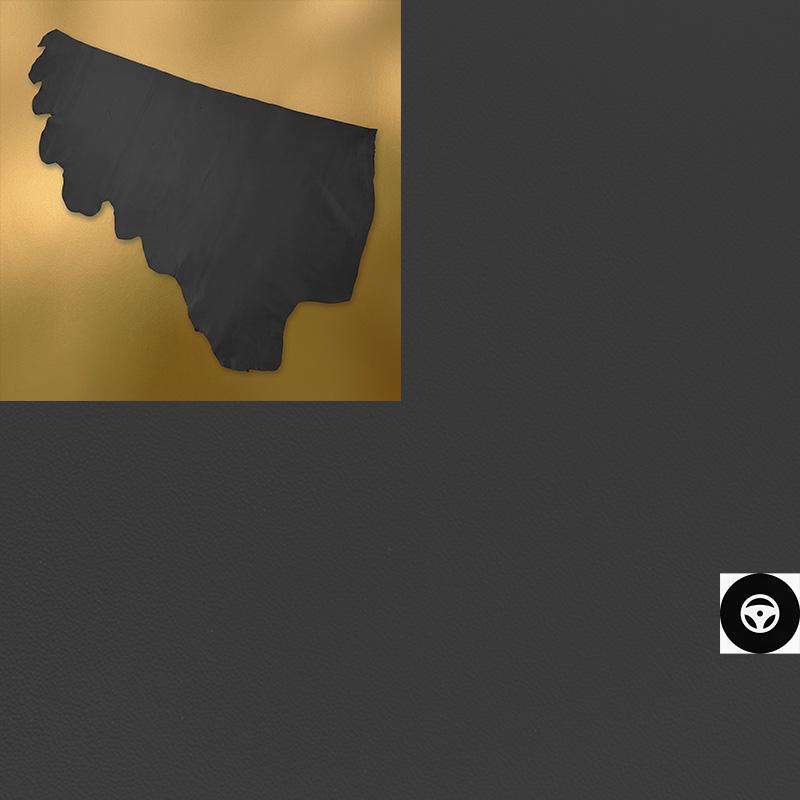
Premium Lederhaut für perfekte Lenkradbezüge Hochwertiges Lenkradleder in mattem Finish – die ideale Basis für Sattler, Polsterer und ambitionierte Auto-Enthusiasten, die bei der Lenkradneubeziehung keine Kompromisse eingehen möchten. Diese halbe Lederhaut überzeugt durch ihre angenehm griffige Haptik, gleichmäßige Materialstärke und eine dezente, matte Oberfläche, die sich hervorragend für individuelle Lenkradbezüge, Sitzbezüge und andere Polsterarbeiten eignet. Als Naturprodukt kann diese Lederhaut vereinzelt kleine, wenige Löcher aufweisen – ein natürliches Merkmal echter Lederhäute, das die Authentizität des Materials unterstreicht. Maße Länge: ca. 210 cm Breite: ca. 0,75 cm Materialmenge Gesamtfläche: ca. 1.5 m² Halbe Lederhaut Produkteigenschaften auf einen Blick Echtleder in mattem Finish Angenehme, griffige Haptik Ideal für Lenkradbezüge, Polsterarbeiten und DIY-Projekte Halbe Lederhaut, ca. 1,5 qm Gesamtfläche Maße: ca. 210 cm x ca. 0,75 cm Vereinzelt kleine, wenige natürliche Löcher Geeignet für Profis (Sattler, Polsterer) und ambitionierte Heimwerker Hochwertige Materialbasis für langlebige Ergebnisse Ihre Vorteile im Überblick Ob Neubeziehung eines Lenkrads, Reparaturarbeiten oder individuelle Sattlerprojekte – dieses Lenkradleder "EXKLUSIV MATT" bietet die perfekte Kombination aus Qualität, Optik und Verarbeitungsfreundlichkeit. Materialqualität & Haptik Das Leder besticht durch seine geschmeidige, dennoch strapazierfähige Struktur. Die matte Oberflächenveredelung sorgt für einen edlen, rutschfesten Griff – ideal für Lenkräder, die täglich beansprucht werden. Jede Lederhaut wird sorgfältig ausgewählt, um eine gleichbleibend hohe Verarbeitungsqualität zu gewährleisten. Jetzt bestellen und Ihr Lenkrad in ein exklusives Unikat verwandeln!
Content: 1.5 m² (€59.00 / 1 m²)
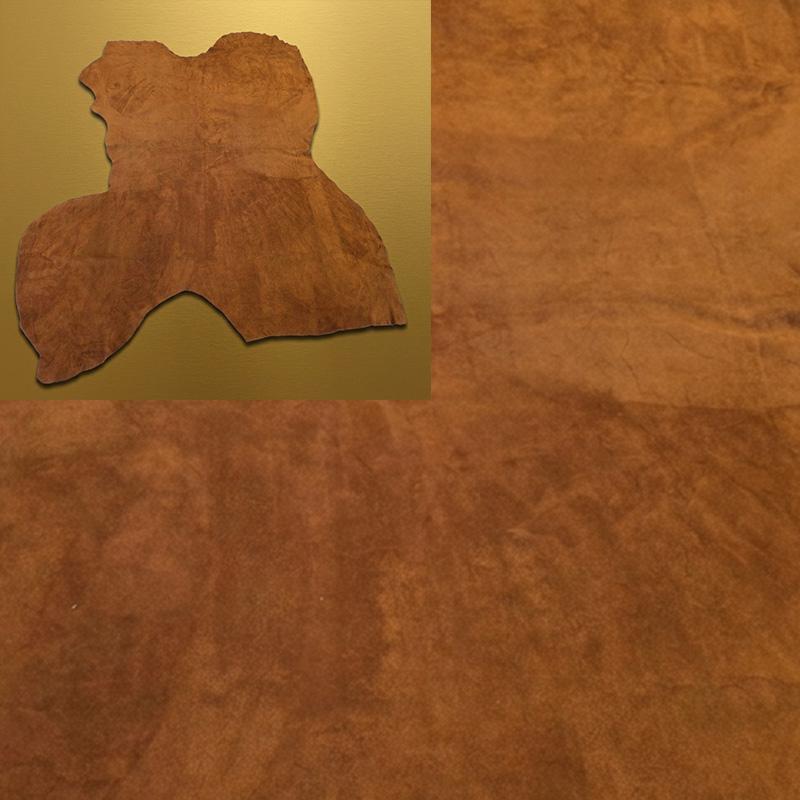
Super Velourleder für Sattlerei, Polsterung & DIY-Projekte Dieses Velourleder aus einem ganzen Croupon überzeugt durch seine samtig-weiche Haptik und die gleichmäßige, feine Nubukoberfläche, die typisch für hochwertiges Rindsleder ist. Als Restbestand bieten wir Ihnen hier eine großzügige, zusammenhängende Lederhaut zu einem attraktiven Preis – ideal für Sattler, Polsterer und ambitionierte Hobbyisten, die Wert auf natürliches, robustes Material legen. Maße Länge: ca. 150 cm Breite: ca. 115 cm (Naturprodukt – Maße können leicht variieren) Materialmenge Gesamtfläche: ca. 1.7 m² Ganzer Croupon Ideal für großflächige Zuschnitte ohne Nahtstellen Produkteigenschaften auf einen Blick Echtes Rindsleder, Velours-Ausführung Ganzer Croupon – große, zusammenhängende Fläche Samtig-matte, griffige Oberfläche Natürliche Merkmale wie kleine Löcher möglich Restbestand – limitierte Verfügbarkeit Vielseitig einsetzbar für Polsterung, Sattlerei & DIY Ihre Vorteile im Überblick Mit diesem großflächigen Croupon sparen Sie sich lästige Nahtverbindungen und können auch größere Werkstücke aus einem Guss fertigen. Die weiche Griffigkeit sorgt für angenehmen Tragekomfort bei Polsterarbeiten, während die robuste Struktur auch beanspruchten Anwendungen im Automotive- oder Möbelbereich standhält. Als Restbestand profitieren Sie zudem von einem besonders attraktiven Preis-Leistungs-Verhältnis. Materialqualität & Haptik Die Veloursseite dieses Leders besticht durch eine feine, gleichmäßige Faserstruktur, die sich weich und angenehm anfühlt – ein deutliches Qualitätsmerkmal hochwertiger Gerbung. Die Materialstärke ist gut ausbalanciert: stabil genug für dauerhafte Beanspruchung, gleichzeitig geschmeidig genug für präzise Verarbeitung an Nähmaschine oder von Hand. Ob für Autositze, Polstermöbel, Taschen oder kunsthandwerkliche Projekte – dieses Leder lässt sich hervorragend zuschneiden, nähen und verkleben, und entwickelt mit der Zeit eine schöne, gleichmäßige Patina. Sichern Sie sich jetzt diesen hochwertigen Croupon-Restbestand, bevor er vergriffen ist – ideal für Ihr nächstes Leder-Projekt!
Content: 1.7 m² (€29.41 / 1 m²)
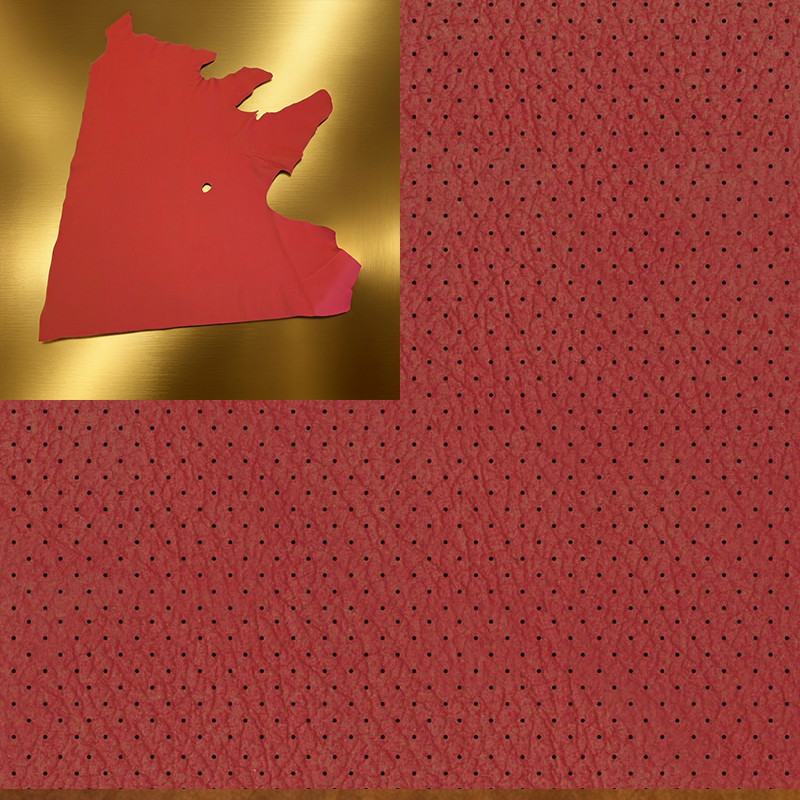
Premium perforiertes Autoleder und Polsterleder für Sattlerei, Polsterei und Fahrzeugausbau in rot Dieses perforierte Autoleder und Polsterleder aus einem hochwertigen Restbestand eignet sich hervorragend für Sitzbezüge, Polsterarbeiten und individuelle Lederprojekte im Automotive- und Interior-Bereich. Das Leder überzeugt durch eine angenehm geschmeidige Haptik, eine gleichmäßige Perforation und eine robuste, langlebige Struktur, wie sie für professionelle Sattlerarbeiten benötigt wird. Da es sich um einen Restbestand aus echter Lederhaut handelt, können vereinzelt natürliche Merkmale wie kleine Poren, minimale Farbnuancen oder feine Hautstrukturen auftreten – Zeichen für ein authentisches, unbehandeltes Naturprodukt statt industrieller Uniformität. Die Maße variieren je nach Lederhaut und werden vor dem Zuschnitt sorgfältig geprüft, sodass Sie für Ihr Projekt stets eine verlässliche Materialgrundlage erhalten. Maße Länge: ca. 2.00 m Breite: ca. 0.90 m Die Maße sind ungefähr Materialmenge Gesamtfläche: ca. 1.8 qm Restbestand aus echter Lederhaut Ideal für kleinere bis mittlere Projekte Produkteigenschaften auf einen Blick Echtes perforiertes Autoleder und Polsterleder Robuste und langlebige Materialqualität Angenehme, geschmeidige Haptik Gleichmäßige Perforation für Atmungsaktivität Restbestand – begrenzte Verfügbarkeit Ihre Vorteile im Überblick Sie erhalten hochwertiges Echtleder zu einem attraktiven Restbestand-Preis, ohne Abstriche bei Verarbeitung und Materialqualität. Das perforierte Design sorgt für eine bessere Luftzirkulation und ein hochwertiges Erscheinungsbild, während die robuste Lederstruktur eine lange Lebensdauer garantiert – perfekt für professionelle Sattler, Polsterer und ambitionierte Heimwerker. Materialqualität & Haptik Die Verarbeitungsqualität dieses Polsterleders zeigt sich besonders in der Haptik: geschmeidig, angenehm weich und dennoch strapazierfähig genug für den täglichen Gebrauch im Fahrzeuginnenraum oder auf Polstermöbeln. Die feine, gleichmäßige Perforation verleiht dem Material nicht nur ein hochwertiges optisches Erscheinungsbild, sondern verbessert auch die Atmungsaktivität – ein klarer Vorteil bei Sitzbezügen. Als Naturprodukt trägt jede Lederhaut ihre eigene, individuelle Charakteristik, was dem fertigen Werkstück eine authentische, hochwertige Note verleiht, die mit Kunstleder nicht erreichbar ist. Sichern Sie sich jetzt diesen exklusiven Restbestand an perforiertem Autoleder – solange der Vorrat reicht!
Content: 1.8 m² (€72.22 / 1 m²)
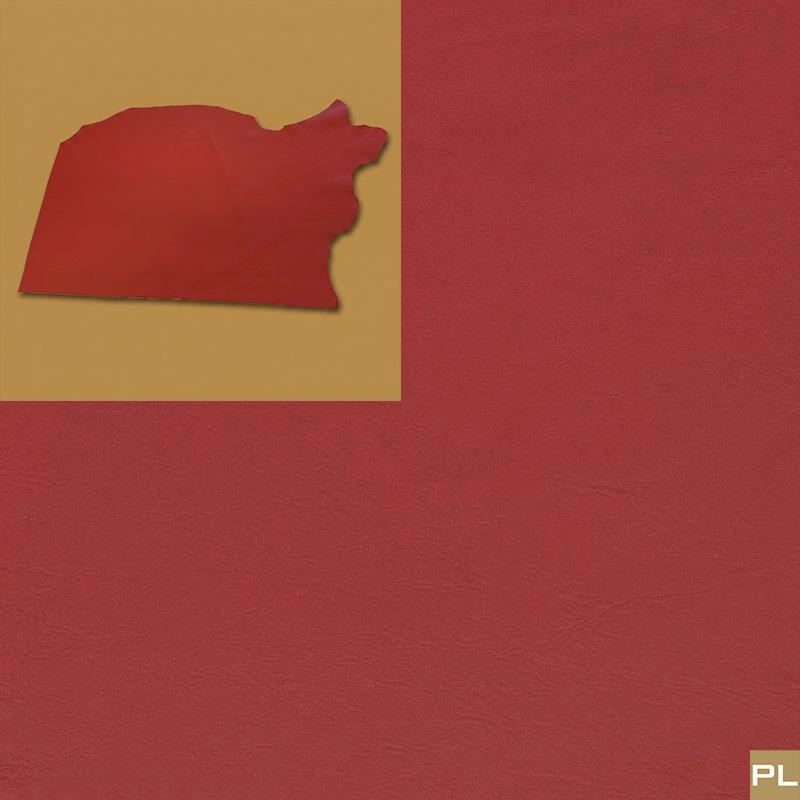
Nappaleder für exklusive Polsterarbeiten Dieses hochwertige Polsterleder überzeugt als edles Autoleder in mattem Rot mit einer Fläche von ca. 1 m². Als weiches, geschmeidiges Nappaleder verarbeitet, bringt es die typische, angenehm samtige Haptik echten Leders mit und eignet sich hervorragend für die Polsterung von Autositzen, Möbeln und individuellen Lederprojekten. Als Naturprodukt kann das Leder vereinzelt kleine, charakteristische Merkmale wie feine Poren oder minimale Einstiche aufweisen – ein Beweis für seine Echtheit und Ursprünglichkeit, der dem hochwertigen Gesamteindruck keinen Abbruch tut. Maße Länge: ca. 105 cm Breite: ca. 70 cm Materialmenge Gesamtfläche: ca. 1 m² Entnommen aus ausgewählten Lederhäuten in gleichbleibender Qualität Produkteigenschaften auf einen Blick Echtes Nappaleder Farbe: Mattrot Fläche: ca. 1 m² Geeignet als Polsterleder Weiche, geschmeidige Haptik Ideal für Auto- und Möbelpolsterung Ihre Vorteile im Überblick Mit diesem Polsterleder erhalten Sie ein langlebiges, strapazierfähiges Material, das sich dank seiner Flexibilität leicht verarbeiten lässt – ideal für Sattler, Polsterer und ambitionierte Heimwerker. Die matte Oberfläche verleiht jedem Projekt eine edle, zurückhaltende Optik, während die hochwertige Nappaleder-Qualität für Komfort und Langlebigkeit sorgt. Materialqualität & Haptik Die besondere Verarbeitung als Nappaleder macht dieses Autoleder zu einem Material mit außergewöhnlich weicher, geschmeidiger Oberfläche. Beim Berühren spürt man sofort die feine Struktur des echten Leders, das sich angenehm anfühlt und gleichzeitig robust genug für den täglichen Gebrauch ist. Die matte Rotfärbung ist gleichmäßig aufgetragen und verleiht dem Leder einen dezenten, hochwertigen Look, der sich harmonisch in verschiedenste Innenraum- und Polsterkonzepte einfügt. Dank seiner guten Dehnbarkeit lässt es sich präzise zuschneiden und vernähen, was es zur idealen Wahl für anspruchsvolle Polsterarbeiten macht. Sichern Sie sich jetzt dieses hochwertige Polsterleder und verleihen Sie Ihrem nächsten Projekt den perfekten Feinschliff!
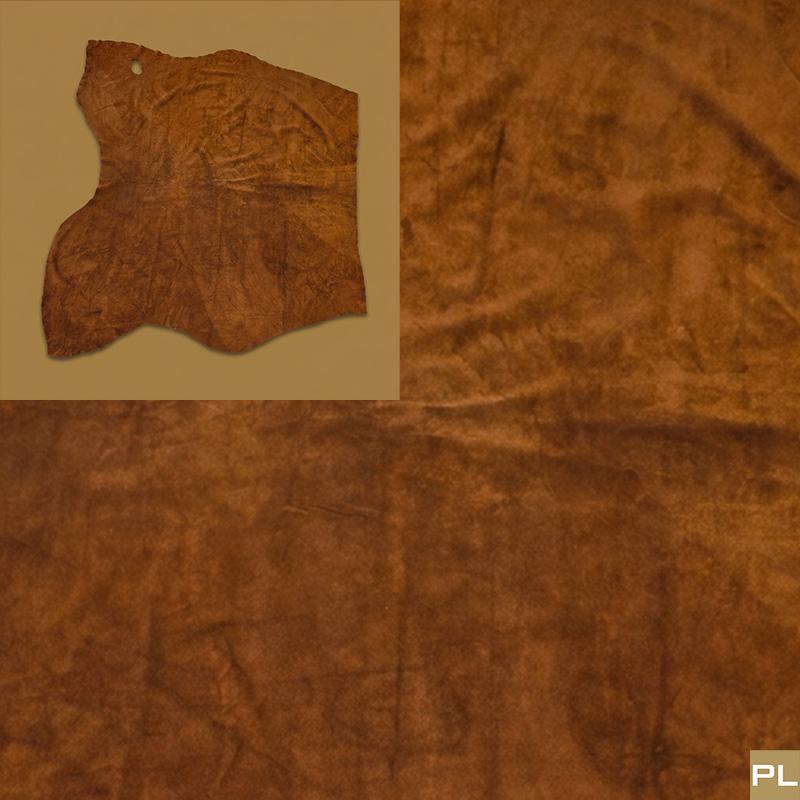
Premium Velourleder für Sattlerei, Polsterei & Autoinnenraum Dieses hochwertige Velourleder in einem warmen Cognac-Ton überzeugt durch seine samtig-weiche Haptik und die typisch feine, gleichmäßige Nubukoberfläche. Mit einer Gesamtfläche von 1,83 m² aus einem einzelnen Croupon eignet sich das Material ideal für Polsterarbeiten, Sattlerprojekte, Taschen, Gürtel oder hochwertige Interieur-Verkleidungen im Automobilbereich. Als Naturprodukt kann das Leder vereinzelt kleine, gewachsene Merkmale wie feine Poren, leichte Äderungen oder minimale Einstiche aufweisen – Spuren, die die Echtheit und Individualität jeder Haut unterstreichen und keinerlei Einfluss auf die Verarbeitungsqualität haben. Maße Länge: ca. 140 cm Breite: ca. 130 cm Materialmenge Gesamtfläche: 1,83 m² Menge: 1 Croupon (zusammenhängende Lederhaut) Produkteigenschaften auf einen Blick Echtes Velourleder, Farbton Cognac Samtig-weiche, matte Oberfläche 1 zusammenhängender Croupon Gesamtfläche: 1,83 m² Natürliche Maserung als Echtheitsmerkmal Vielseitig einsetzbar für Polster- und Sattlerarbeiten Ihre Vorteile im Überblick Durch die großzügige, zusammenhängende Fläche des Croupons lassen sich auch größere Zuschnitte ohne störende Nähte realisieren. Die hochwertige Veloursoberfläche sorgt für ein angenehmes Griffgefühl und eine elegante Optik, die sowohl im professionellen Sattlerhandwerk als auch bei anspruchsvollen DIY-Projekten überzeugt. Materialqualität & Haptik Das Velourleder besticht durch seine feine, gleichmäßig angeraute Nubukstruktur, die sich weich und geschmeidig anfühlt und dennoch eine hohe Strapazierfähigkeit bietet. Die sorgfältige Gerbung und Verarbeitung sorgen für eine gute Formstabilität, während der satte Cognac-Farbton dem Material eine warme, edle Ausstrahlung verleiht. Ob als Sitzbezug, Taschenleder oder für individuelle Polsterprojekte – die Kombination aus Griffigkeit, Optik und Langlebigkeit macht dieses Leder zu einem vielseitigen Begleiter für anspruchsvolle Verarbeiter. Sichern Sie sich jetzt dieses hochwertige Cognac-Velourleder für Ihr nächstes Projekt – limitierte Croupon-Menge, bevor sie vergriffen ist!
Content: 1.83 m² (€28.42 / 1 m²)
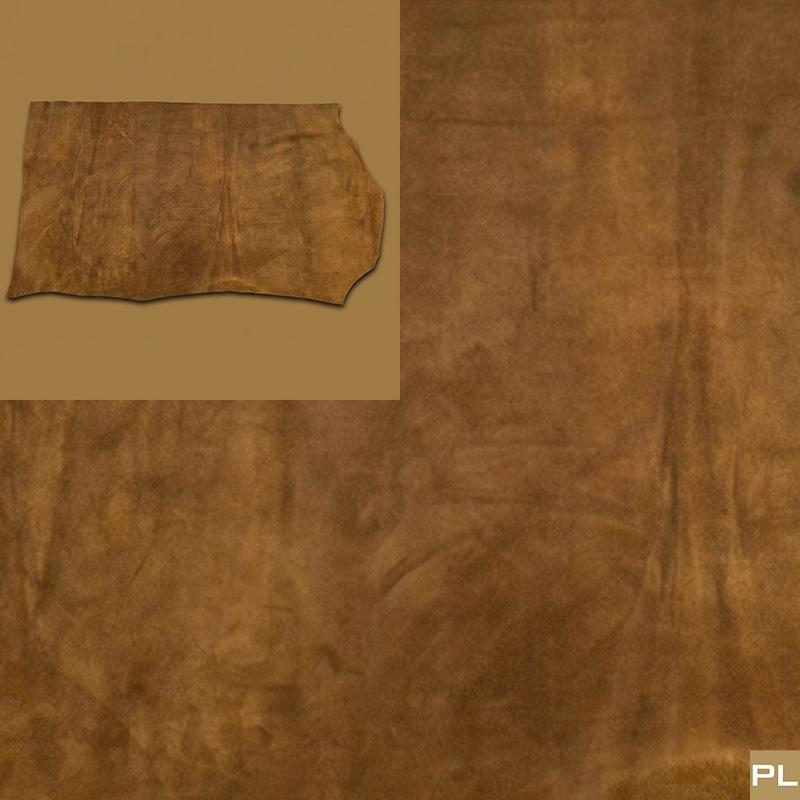
High End Velourleder / Wildleder für Sattlerei, Polsterei und individuelle Lederprojekte Dieses High End Velourleder (Wildleder) in der eleganten Farbe Chestnut-Braun überzeugt durch seine samtig-weiche Haptik und die charakteristische, gleichmäßig genarbte Oberfläche. Als Reststück mit einer Fläche von ca. 1 m² eignet es sich hervorragend für kleinere bis mittlere Polster-, Näh- und Bastelprojekte – von Möbelbezügen über Taschen bis hin zu individuellen Auto-Interieur-Details. Als Naturprodukt kann das Leder vereinzelt kleine, für Echtleder typische Merkmale wie feine Poren, leichte Farbnuancen oder minimale Einstiche aufweisen – Spuren, die die Echtheit und den natürlichen Charakter des Materials unterstreichen, statt seine Qualität zu mindern. Maße Länge: ca. 130 cmBreite: ca. 0.75 cm Materialmenge Gesamtfläche: ca. 1 m²Reststück aus einer Lederhaut, ideal für kleinere Projekte Produkteigenschaften auf einen Blick High End Velourleder / Wildleder, Farbe Chestnut-Braun Samtig-weiche, matte Oberfläche Reststück, ca. 1 m² Gesamtfläche Naturprodukt mit charakteristischen Merkmalen Vielseitig einsetzbar für Sattlerei & Polsterei Ihre Vorteile im Überblick Dank der praktischen Reststück-Größe ist dieses Wildleder ideal für alle, die kleinere Mengen hochwertigen Leders zu einem attraktiven Preis suchen. Ob für Reparaturen, Detailarbeiten oder kreative DIY-Projekte – die angenehme Haptik und die zeitlose Farbgebung machen jedes Ergebnis zu einem echten Hingucker. Materialqualität & Haptik Das High End Velourleder besticht durch seine feine, gleichmäßige Faserstruktur und den charakteristisch samtigen Griff, der bei sachgemäßer Verarbeitung dauerhaft erhalten bleibt. Die Chestnut-Braun-Färbung wirkt warm und natürlich und passt sich harmonisch in unterschiedlichste Einrichtungsstile ein. Durch die sorgfältige Gerbung und Ausrüstung zeigt das Material eine hohe Flexibilität bei gleichzeitig guter Formstabilität – ideal für anspruchsvolle Näh- und Polsterarbeiten, bei denen sowohl Optik als auch Langlebigkeit gefragt sind. Sichern Sie sich dieses exklusive High End Velourleder-Reststück jetzt, bevor es vergriffen ist – perfekt für Ihr nächstes Sattler-, Polster- oder DIY-Projekt!
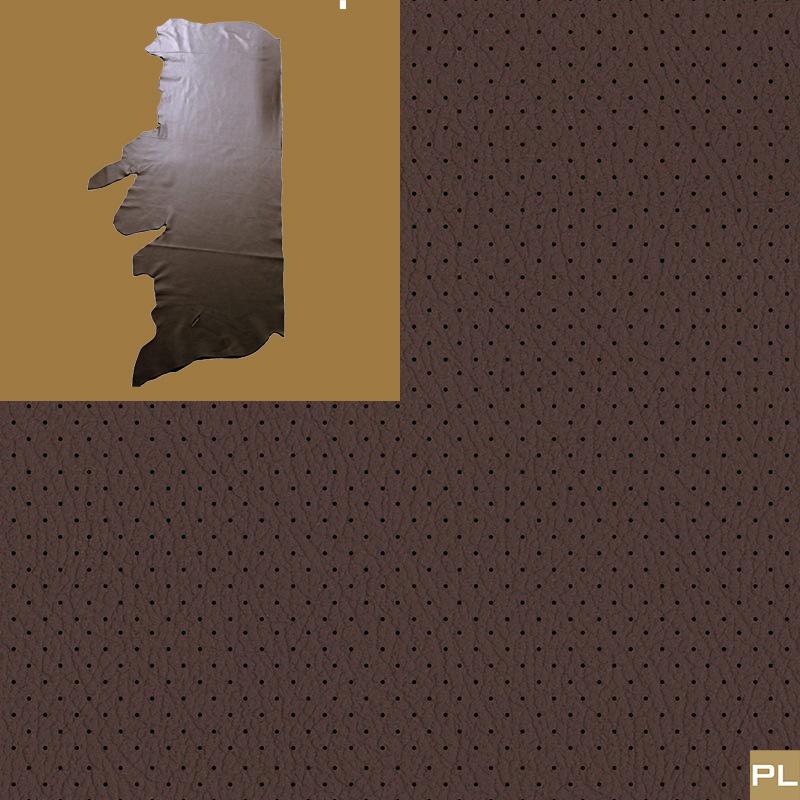
Perforiertes Nappaleder für Autositze, Polsterarbeiten und Sattlerprojekte 2 x bestellbar. Dieses perforierte Autoleder aus hochwertigem Nappaleder in klassischem Braun überzeugt durch seine feine, gleichmäßige Perforation und die geschmeidige, dennoch robuste Haptik – ideal für Autositze, Möbelpolsterung und individuelle Lederprojekte. Die dezente Perforation verleiht Polsterungen eine exklusive, hochwertige Optik und setzt gleichzeitig funktionale Akzente durch verbesserte Luftzirkulation. Mit einer Fläche von 2,8 m x 1,10 m (ca. 3,1 m²) bietet das Leder ausreichend Material für größere Polsterarbeiten. Als Naturprodukt kann das Leder vereinzelt kleine, charakteristische Merkmale wie feine Poren oder Äderungen aufweisen, die die Echtheit und Individualität jeder Lederhaut unterstreichen und keinerlei Einfluss auf die Qualität oder Haltbarkeit haben. Maße Länge: 2,8 m Breite: 1,10 m Materialmenge Gesamtfläche: ca. 3,1 m² Lederhaut: 1 durchgehendes Stück Produkteigenschaften auf einen Blick Material: echtes Nappaleder Farbe: Braun Oberfläche: fein perforiert Größe: 2,8 m x 1,10 m (ca. 3,1 m²) Einsatzbereich: Autositze, Polstermöbel, Sattlerarbeiten Ihre Vorteile im Überblick Dank der Perforation bietet das Leder eine verbesserte Luftzirkulation, was besonders bei Autositzen für mehr Sitzkomfort sorgt. Gleichzeitig verleiht das feine Lochmuster jeder Polsterung eine exklusive, hochwertige Optik, die sich deutlich von Standardbezügen abhebt. Die hohe Materialqualität garantiert eine lange Lebensdauer und macht das Leder vielseitig einsetzbar – ob für den Austausch einzelner Sitzflächen, die Neupolsterung von Möbeln oder individuelle Sattlerprojekte. Materialqualität & Haptik Das verwendete Nappaleder zeichnet sich durch seine weiche, geschmeidige Oberfläche und eine gleichmäßige Narbung aus, die sich angenehm anfühlt und gleichzeitig strapazierfähig ist. Die feine Perforation wurde präzise und sauber gearbeitet, ohne die Stabilität des Leders zu beeinträchtigen, und sorgt für ein elegantes, exklusives Erscheinungsbild jeder Polsterung. Durch die sorgfältige Gerbung bleibt das Material auch bei intensiver Nutzung geschmeidig und formstabil, was es zur idealen Wahl für anspruchsvolle Polster- und Sattlerarbeiten macht, bei denen sowohl Optik als auch Langlebigkeit gefragt sind. Sichern Sie sich jetzt dieses hochwertige perforierte Nappaleder in Braun für Ihr nächstes Polster- oder Sattlerprojekt – Qualität, die überzeugt!
Content: 3.1 m² (€62.90 / 1 m²)
Palazzo baroque fabric for antique furniture – 3 free samples
It's a broad term for fabrics with a rustic, homely look, usually cotton, linen or linen blends. Typical designs include gingham, ticking stripes, small florals and toile. It's mostly used for home furnishings such as curtains, cushions and table linen.
Yes, as long as you choose a mid to heavyweight fabric like cotton canvas or a linen blend. Lighter prints can work too if you back them with a sturdy lining. A layer of wadding underneath gives a softer, padded finish.
Keep to one colour family so the patterns feel connected. Vary the scale by pairing a bold check with a small floral, or the other way round. A plain linen in between helps both prints stand out.
Measure the table's length and width, then add a drop of around 20–30 cm on each side plus a few centimetres for hemming. If the table is wider than the fabric, you'll need to join two widths with a seam. For checks, allow a little extra so the lines match up.
Mid-weight cottons in gingham and floral designs are a classic choice for patchwork. Stick to fabrics of similar weight and fibre so the quilt washes evenly. Pre-washing every piece beforehand helps avoid uneven shrinkage.
 | Blog
Reupholstering a corner bench or dining chairs? Find out which fabrics cope with daily meals, spills and kids, and how to keep them looking fresh.
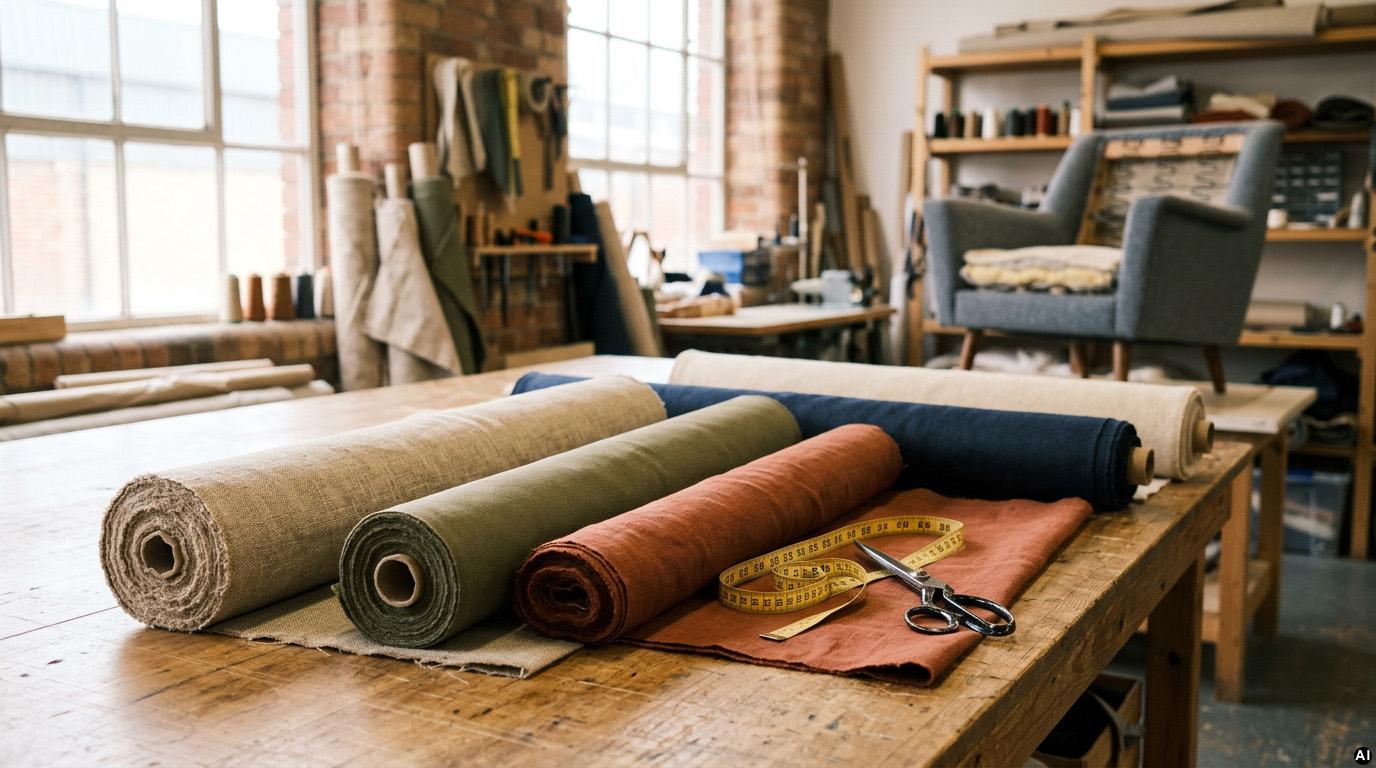
Upholstery, outdoor or marine fabrics by the metre: learn what sets quality apart, how to care for it and why recycled fabrics make sense.

18/05/2026
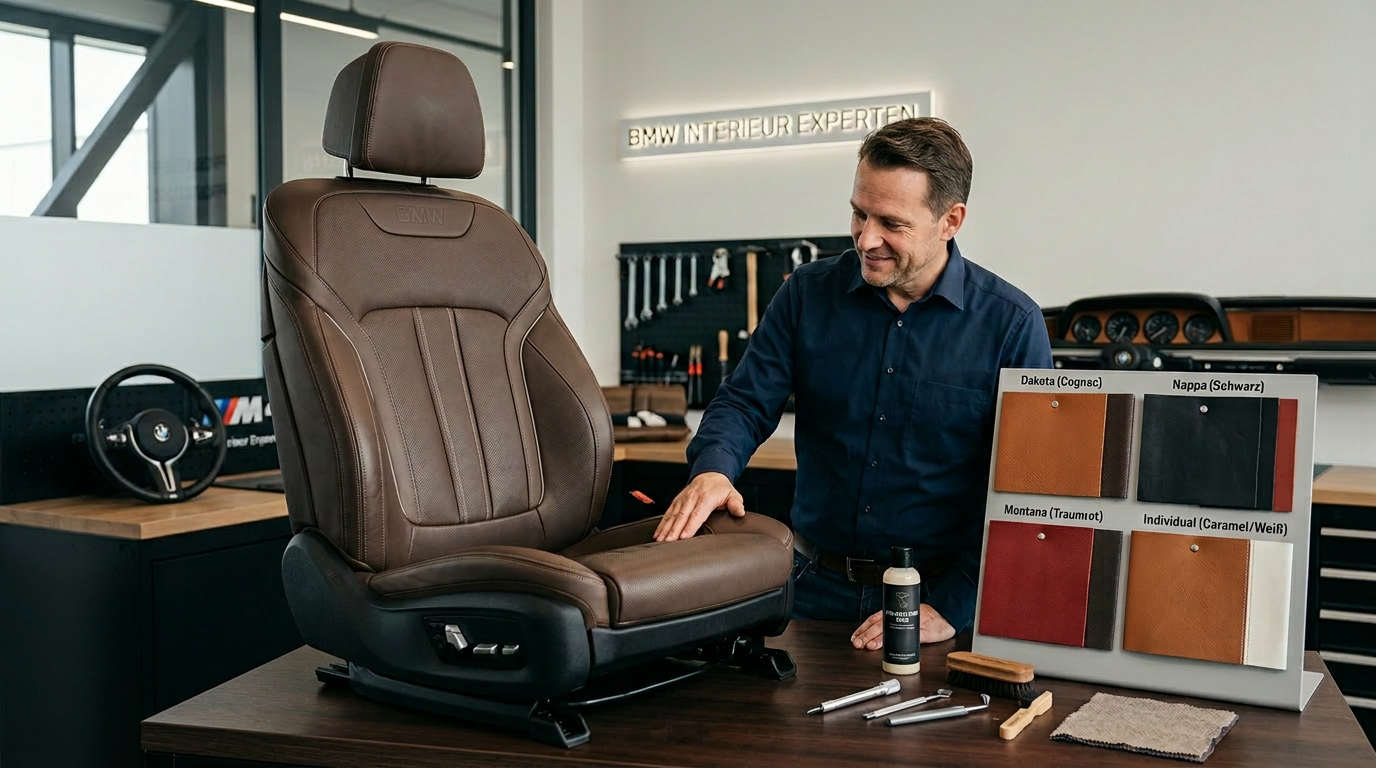
The evolution of Bavarian interior culture. Discover material properties, value retention, and authentic restoration at ProjektLeder.


Discover why genuine leather is the most sustainable choice. Learn about longevity, haptics, and eco-friendly production at ProjektLeder.
|