
27/02/2026
Automotive Leather Guide: Quality, Types and Maintenance
1. Automotive Leather: Everything You Need to Know
Quick Overview
- 1.1. What is automotive leather and why use it?
- 1.2. Differences between Nappa and Faux leather
- 1.3. The benefits of surface-dyed leather
- 2. Popular leather colors for cars
- 3. Examples: Audi Valcona & BMW Montana
Car Leather: Essential Information for Owners
Automotive leather is a premier choice for vehicle interiors. It offers durability, a sophisticated look, and a premium feel. But what exactly defines high-quality car leather?
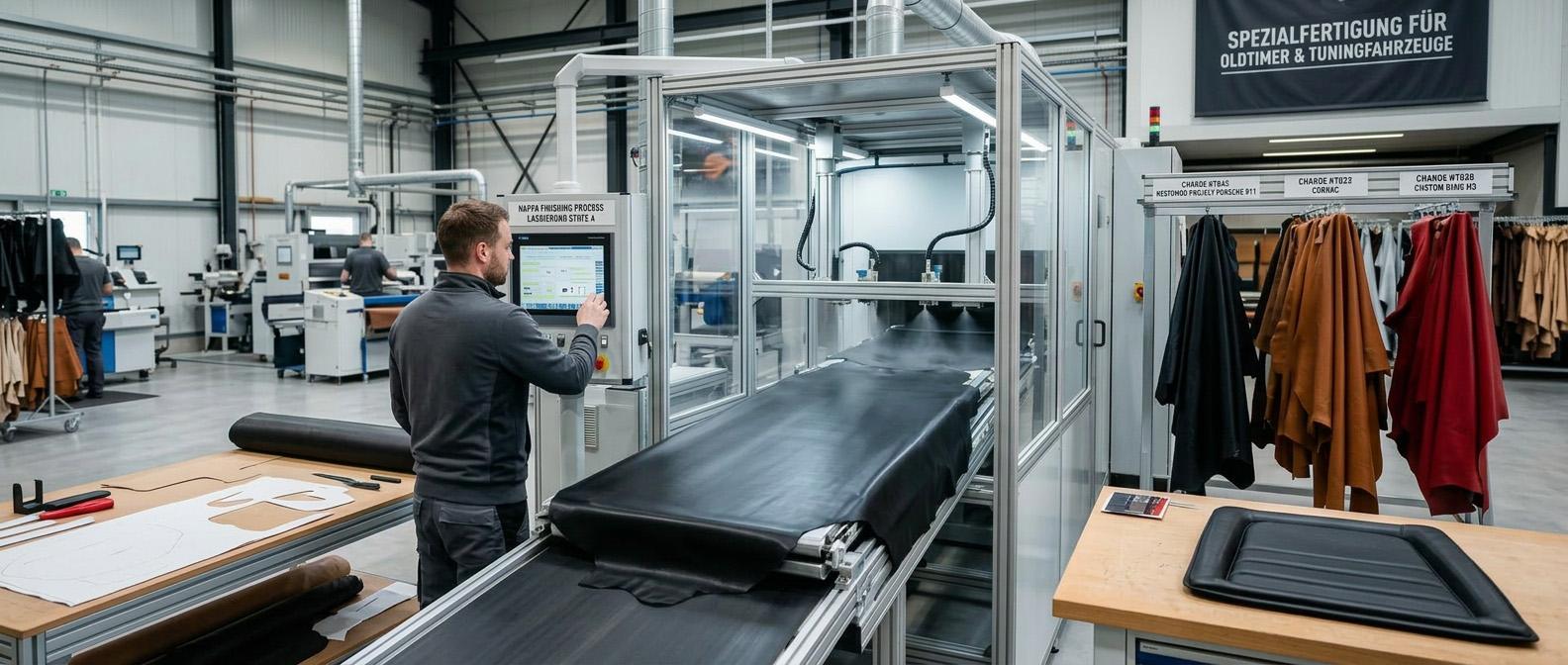
There are several types available, including Nappa leather, which is famous for being exceptionally soft and smooth. It is often chosen for luxury vehicles to create an elegant atmosphere. Another option is surface-dyed leather, where the color is deeply integrated into the material, ensuring long-lasting vibrancy.
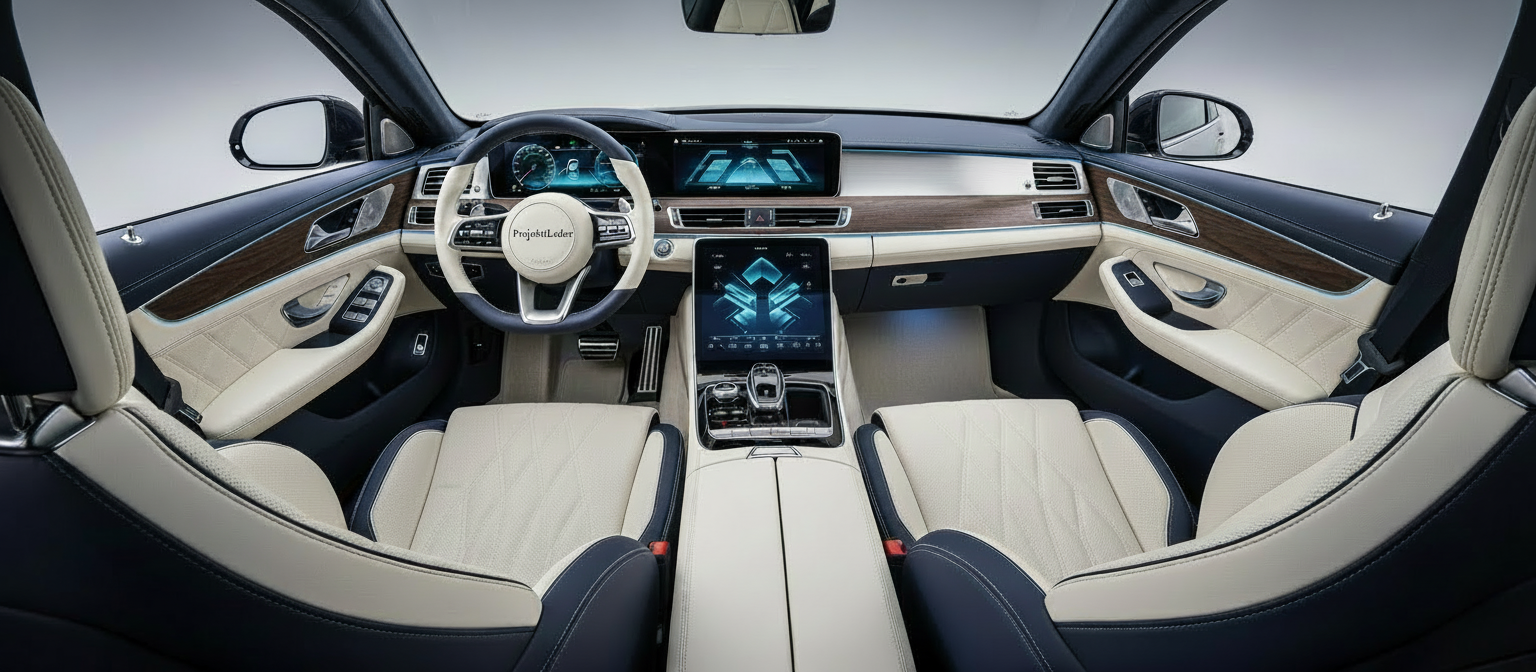
When it comes to interior colors, the options are vast. From classic black and brown to bold shades like red or blue, owners have plenty of ways to customize their ride.
Faux leather (synthetic) is a popular alternative, often easier to clean. While animal-friendly, it has a poor ecological footprint as it shares the same environmental issues as all plastics.
Maintenance Tip
When owning a car with leather seats, regular maintenance is key. Using professional cleaning and conditioning products helps preserve the leather and prevents premature wear.
In summary, automotive leather is a superb choice for any interior. It combines aesthetics with resilience. If your car features leather upholstery, proper care is essential to ensure it stays beautiful for years to come.
1.1. What is automotive leather and why is it used?
Automotive leather is a specialized material used to upholster car interiors. Various types are used for seats and dashboards, most notably Nappa and synthetic alternatives.
Nappa leather is a high-end grade known for its extreme softness. It is frequently used in luxury cars to provide a sophisticated feel. Modern Nappa is often treated to resist stains and daily wear and tear.
Surface-dyed leather is a specific type where the color penetrates deep into the hide during the manufacturing process. This prevents the color from fading or rubbing off, making it a very durable choice for car seats.
Overall, automotive leather is favored for its longevity, luxury appeal, and versatility. Whether choosing Nappa or surface-dyed options, car owners have many ways to enhance the look and feel of their vehicle.

1.2. Nappa vs. Faux Leather: Understanding the Differences
Automotive upholstery utilizes various materials, primarily Nappa leather and synthetic alternatives. Nappa is a premium-grade, soft leather typically sourced from sheep or goat hides. It is highly sought after in the automotive industry for its luxurious aesthetics and tactile quality.
Faux leather (synthetic), on the other hand, is a man-made alternative. Usually produced from Polyurethane (PU) or PVC, it can mimic the look of genuine leather but often lacks the same durability and long-term quality. Additionally, synthetic options are non-recyclable and do not biodegrade, similar to most plastic products.
- Durability: Genuine Nappa leather is generally more resilient and resistant to daily wear.
- Natural Product: Real leather is less prone to cracking or pigment fading over time.
- Color Variety: Nappa often provides a wider range of sophisticated, natural-looking shades.
1.3. The Advantages of Surface-Dyed Leather
Owners of luxury vehicles appreciate the benefits of high-end materials. Surface-dyed (top-dyed) leather is an especially attractive and long-lasting choice for high-end interiors.
- Vibrant Colors: Pigments are deeply integrated during the tanning process for lasting brilliance.
- Abrasion Resistance: Highly robust against scratches and mechanical friction.
- Seating Comfort: Provides a soft touch and a pleasant haptic experience.
- Temperature Control: Remains comfortably cool on the skin, even during hot summer months.
2. Interior Colors: Which Options Suit Your Style?
Whether you prefer timeless classics or bold, modern statements – the variety of leather colors for car interiors offers a tailored solution for every taste.
2.1. Popular Color Choices for Upholstery
Darker tones like Black or Espresso are less sensitive to dirt, while lighter colors like Cream or Pearl Grey offer a clean, sophisticated, and airy look.
Premium Class Benchmarks
3.0 Case Study: AUDI – Valcona Leather
Audi Valcona is a high-grade full-grain leather, renowned for its softness and prestigious appearance:
- Grade: Natural graining achieved through a meticulous tanning process.
- Comfort: High breathability ensures a superior seating experience.
- Longevity: Exceptionally resistant to signs of aging and friction.
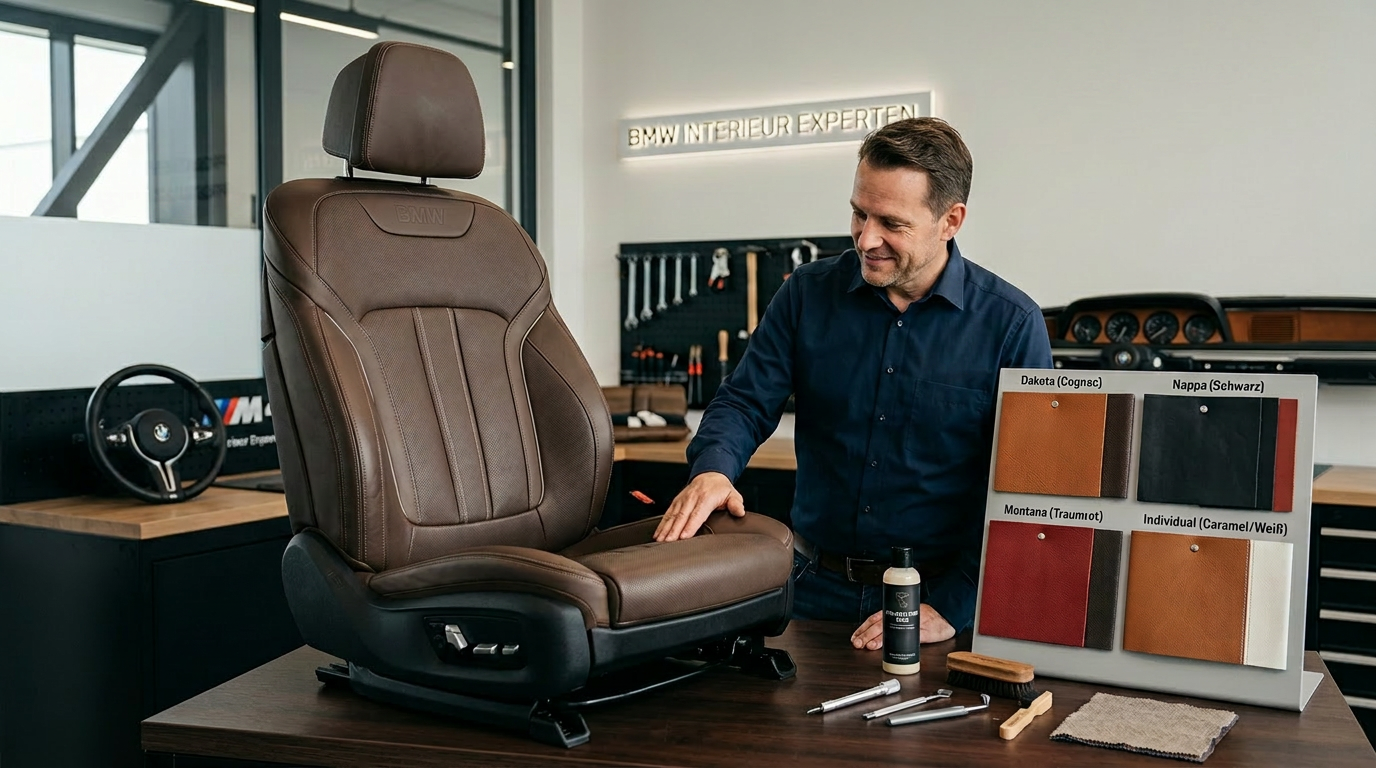
3.1 Case Study: BMW – Montana Leather
BMW Montana leather offers a perfect balance of durability and premium luxury:
- Resilience: Uniform texture with high tensile strength.
- Daily Use: Extremely hard-wearing and designed for high-traffic usage.
- Aesthetics: Fine graining for an elegant yet sporty interior vibe.