
13/11/2026
Medical Synthetic Leather: How to Choose Covers for Clinics and Care Homes
Medical synthetic leather and the feeling of being in good hands
A visit to the doctor is rarely relaxed. People notice small things while they wait. A torn seat looks careless. A stained couch raises doubts. A clean, smooth cover, on the other hand, tells patients they are in good hands.
That is the quiet job of medical synthetic leather. It looks tidy. It feels pleasant. And it survives cleaning many times a day. For doctors, nurses and therapists, it is one less thing to worry about.
This guide explains what a good cover must do and which tests prove it. You will also meet five ProjectLeather collections that work well in practices, hospitals, care homes and therapy centres.
What makes synthetic leather fit for healthcare
| Requirement | Why it matters |
|---|---|
| Disinfectant resistance | Contact surfaces are wiped after every patient. |
| Antibacterial finish | Germs struggle to grow between cleaning cycles. |
| Barrier to fluids | Blood, urine and sweat must not reach the foam. |
| High rub count | Couches and chairs are in use all day, every day. |
| Fire safety | Hospitals and care homes usually require tested covers. |
| Clean chemistry | No phthalates, no harmful dyes near skin. |
Inside the material
Medical synthetic leather looks like a single skin. In fact it is built in layers. A polyester textile on the back gives strength and a little stretch. Above it sits a closed PVC coating, often blended with some polyurethane. This layer keeps all liquids out. A thin lacquer on top sets the sheen and resists stains. Think of it as a good raincoat. The fabric inside gives shape, while the outer skin keeps the wet out.
The finish that fights germs
During production, active agents are mixed into the top layer. They slow the growth of bacteria and mould. In lab tests under ISO 22196 and AATCC 30, good grades reduce bacteria by about 99 %. This does not replace cleaning. It simply adds a second line of defence.
A softer hand feel
Older clinic covers felt cold and stiff. Modern grades are different. They are soft and supple, with a fine grain that takes away the plastic shine. Bare skin sticks less, so patients feel more at ease. Physiotherapists and massage therapists notice this at once. In cool rooms, soft grades also feel warmer to the touch.
Martindale: how long will it last?
In the Martindale test, a disc rubs the sample until it wears through. A sofa at home is fine with about 20,000 cycles. For healthcare we suggest at least 50,000. Several of our medical grades pass 100,000 cycles. Higher is better, but it is not the only point. A quiet consulting room may need less than a busy A&E waiting area.
Reading the data sheet
Open a test to see what it means for your daily work.
EN ISO 6530: fluid penetration
Checks whether liquids such as blood pass through. Our medical grades are rated fully resistant.
EN 20811: water column
Measures water pressure before leaks appear. Over 200 cm means the cover is practically waterproof.
EN ISO 105-B02: light fastness
Rates colour stability in light on a scale up to 8. A score of 7 is excellent for rooms with big windows.
IUP 29: cold crack
Shows the temperature at which the surface cracks. A value of −23 °C suits ambulances in winter or unheated stores.
Five medical synthetic leather collections we recommend
Each grade below is sold by the metre at ProjectLeather. Each has its own strength.
Praxis
Best for: examination rooms, GP surgeries, hospitals.
Over 50,000 Martindale cycles, safe with disinfectants up to 70 % alcohol and 99 % antibacterial. Blood and urine stay on the surface. 18 colours, including several clinical whites.
Skai® Tovega EN staynu
Best for: care homes, rehab, large waiting areas.
The staynu finish releases even ink and denim dye. Rated low flammability to DIN 4102 B1, PETA-approved vegan, with a recycled polyester backing. 38 colours.
Passion
Best for: private clinics, aesthetics, reception lounges.
A very fine emboss with an upmarket look. Over 100,000 cycles, antibacterial, mould-resistant and fine with 70 % alcohol. 19 colours.
Mediterran
Best for: hydrotherapy, changing rooms, damp areas.
Resists salt water, UV, sweat and urine and stays flexible down to −23 °C. Over 50,000 cycles and 22 colours.
Bambini
Best for: paediatric practices, nurseries, play corners.
Phthalate-free, with no detectable AZO dyes or formaldehyde. Over 100,000 cycles and 12 bright colours. Ask us which disinfectant to use.
Still unsure?
Tell us the room, the furniture and the cleaning agent you use. We will suggest the grade that fits best.
Quality features at a glance
- UV protection: High light fastness keeps colours even, so a couch by the window matches the one in the corridor.
- Easy clean: Day to day, a damp microfibre cloth is all you need. No soap, no spray.
- Water-repellent: Spills sit on top and wipe away. The padding stays dry.
- Fire-tested: All five collections hold reports to BS 5852 or EN 1021. Some grades are tested to US rules too. Examples are California TB 117 and FMVSS 302.
Disinfectant-resistant synthetic leather: a cleaning routine that works
- After each patient: wipe contact areas with a disinfectant approved for synthetic leather. Use up to 70 % alcohol and let it dry.
- Before closing time: wipe the whole cover with clean water to lift residue.
- Once a week: wash with mild soap, rinse and dry.
- Now and then: treat the surface with a care kit for synthetic leather, such as the SEDICUR® set.
Never use acetone, thinners, white spirit, scouring cream or hot steam. These harm the top coat and lead to cracks. Try any new product on a hidden spot first.
Where medical synthetic leather proves itself
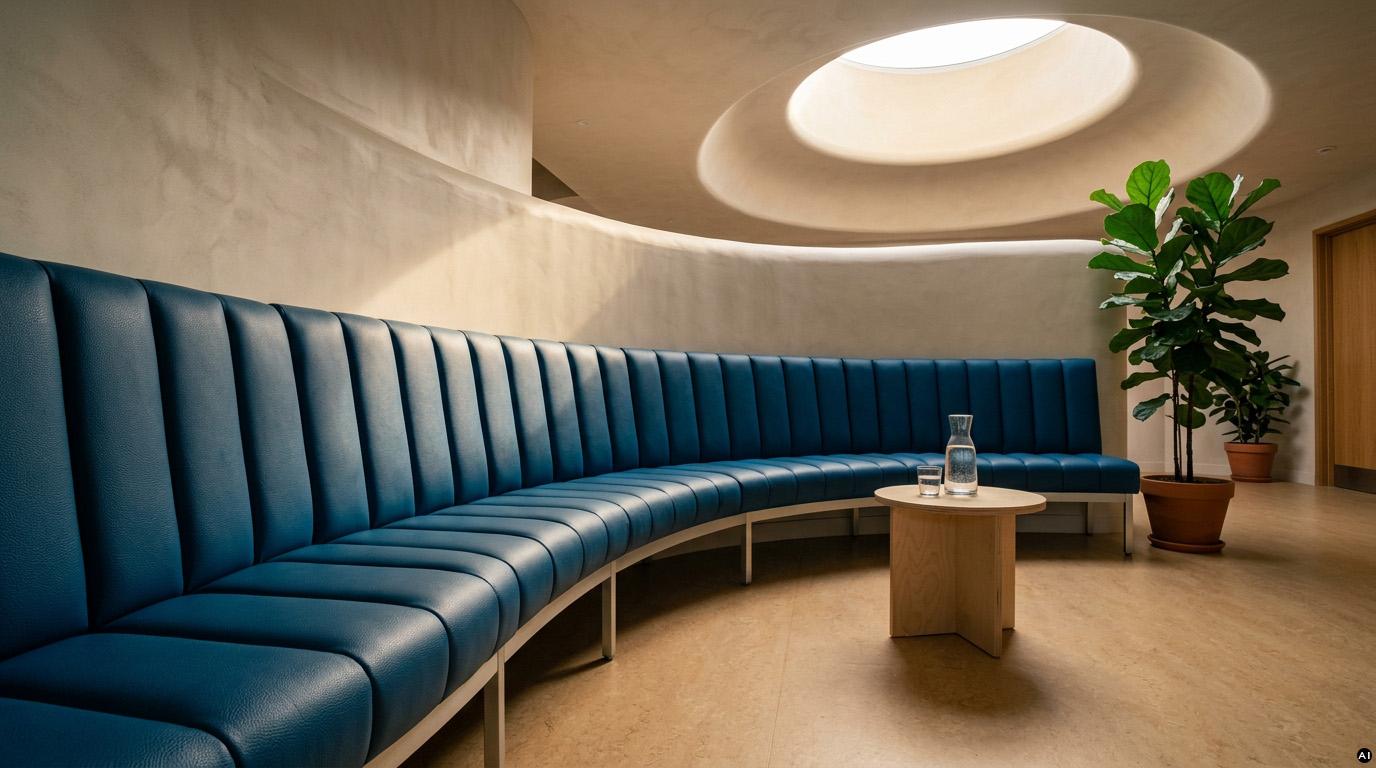
Every setting puts the cover to a different test. Here is what counts most in each.
| Setting | Main challenge | Our tip |
|---|---|---|
| GP surgery | Many patients, many wipe-downs | Praxis |
| Hospital ward | Fire rules and round-the-clock use | Praxis or Tovega |
| Care home | Long sitting hours, stains, incontinence | Tovega |
| Dental practice | Light colours, fast cleaning | Praxis in white |
| Physio and massage | Skin contact, oils, sweat | Passion or Praxis |
| Hydrotherapy | Damp air and water | Mediterran |
| Children's clinic | Bright looks, safe chemistry | Bambini |
| Veterinary practice | Claws, hair, odours | Praxis or Mediterran |
Not sure which group your project fits? Many clinics mix two grades. A tough cover goes on the couches. A warmer one goes on the waiting room seats.
Why ProjectLeather for medical synthetic leather
Order by the metre
Buy enough for one couch or for a whole clinic. Nothing goes to waste.
A grade for every room
Treatment, care, aesthetics, wet areas and children: five profiles cover them all.
Open test data
Hygiene, abrasion and fire results are clearly listed for each collection.
Real advice
Our team helps upholsterers, facility managers and DIY users pick the right cover.
Quick checklist before you buy
- Which cleaning agent do you use, and how strong is it?
- How many people use the seat each day?
- Which fire test does your building need?
- Is the room damp, sunny or cold?
- Will children sit on it?
- Which colours fit your rooms and brand?
Answer these six points and the right grade is easy to find. Send us your answers, and we will check them with you.
Colour and texture that set the mood
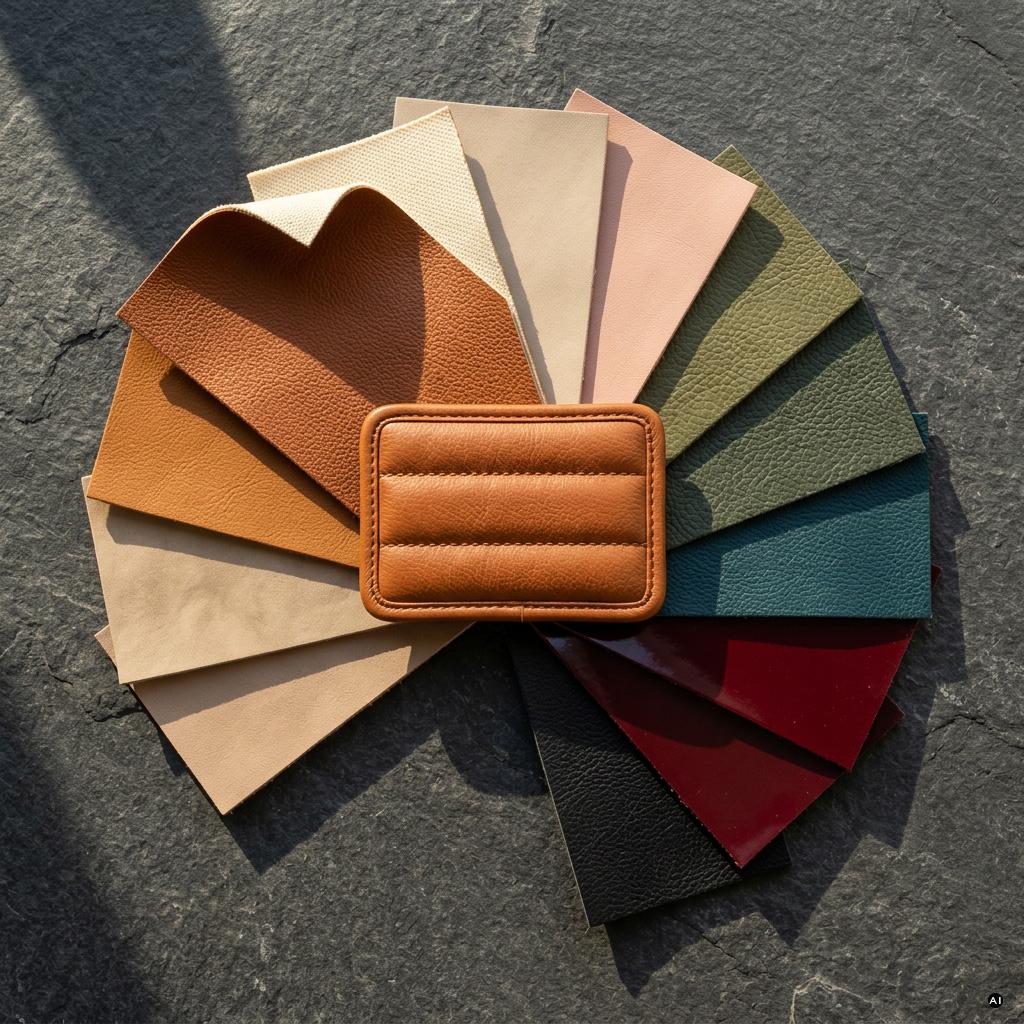
Together the five collections offer more than 100 shades. Whites and sand tones look clean and calm. Aqua and mint feel fresh in therapy rooms. Warm browns make care homes cosy. Sunny yellow and orange help children forget the wait. Darker tones hide marks. Light tones show at a glance that a room is clean.
Smooth or embossed?
A fine emboss hides small scratches and feels less clinical. A smooth surface is the quickest to wipe. For reception desks and wall panels, embossed designer leathers add bold texture.
Sustainable choice: reupholster, don't replace
Medical furniture is built to last. The frame of a couch or treatment chair often outlives several covers. A new cover gives it many more years of service. That saves money, metal and foam. It also keeps the look of your rooms the same.
Production is getting greener too. Many of our grades are phthalate-free and made in Europe under strict environmental rules. Tovega uses recycled polyester. Long life is the best green feature of all. Fewer new covers mean less material and less waste.
Tips for the upholstery workshop
- Keep seams off the lying surface. Every seam is a groove where dirt can settle.
- Staple on the underside of the board, away from patient contact.
- Pick a leather needle. Stitches of about 3.5 mm look neat and hold well.
- Warm the material gently in a cold workshop, so it wraps corners without creases.
Frequently asked questions
Is medical synthetic leather suitable for allergy sufferers?
Dust mites find little to hold on to, and dust wipes off easily. Many grades are also free of phthalates and allergenic dyes. For specific allergies, please ask your doctor.
Can I recover a treatment couch myself?
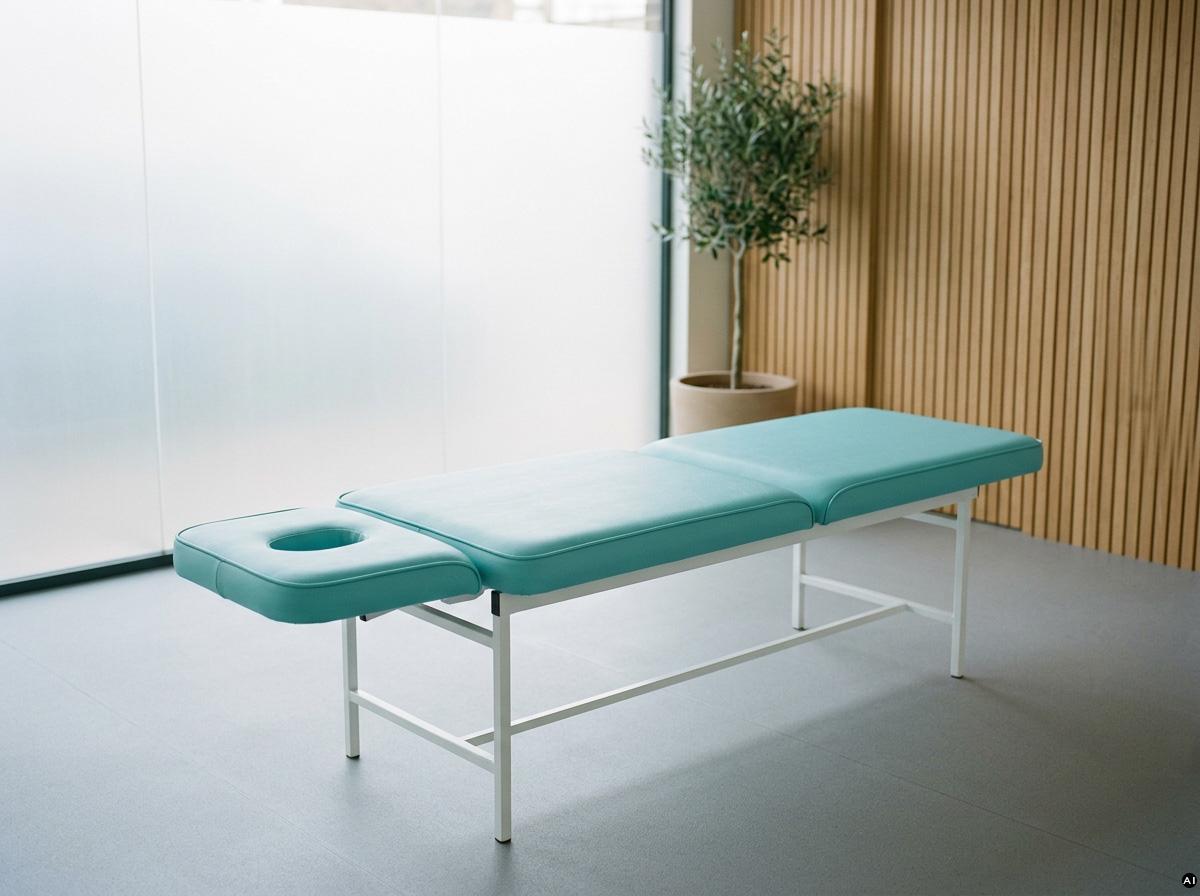
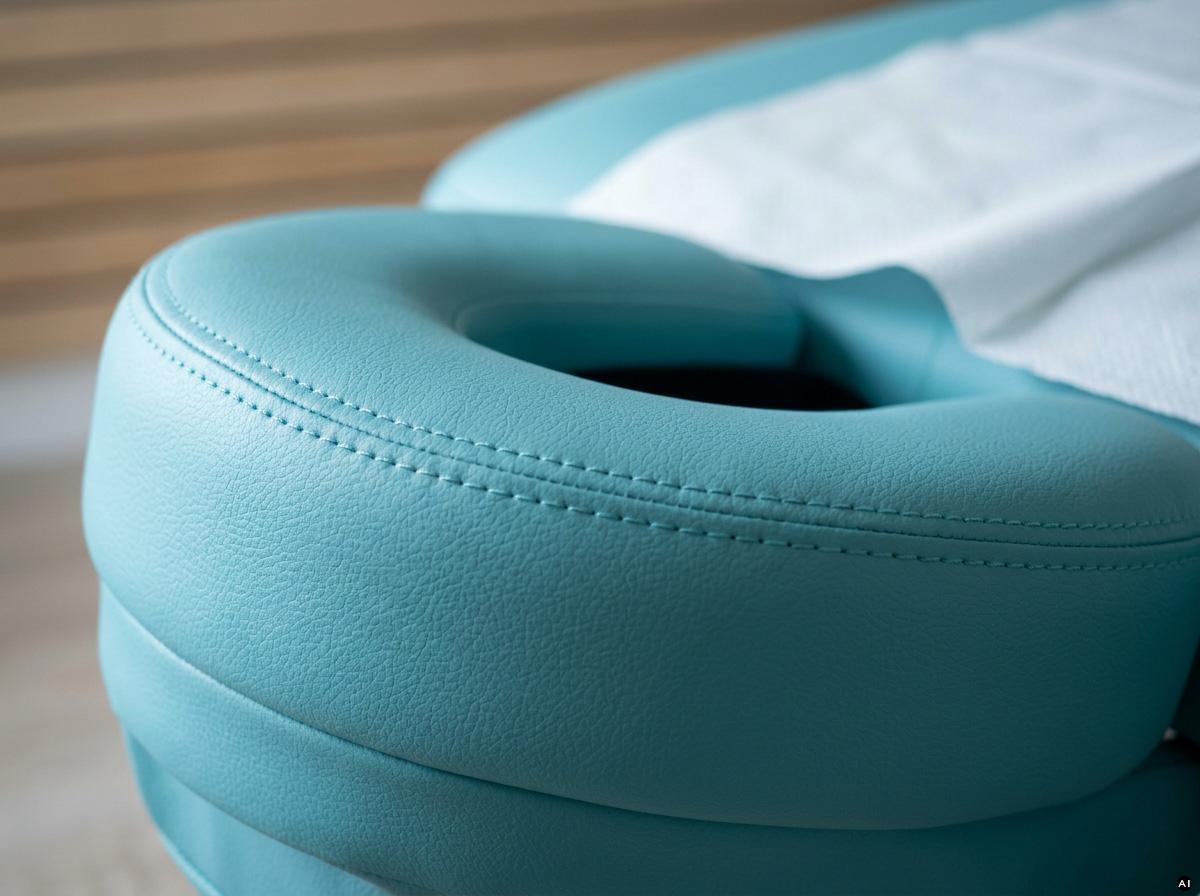
Simple couches, yes. Remove the board, take off the old cover and staple the new one underneath. For headrests with a face hole, an upholsterer is the better choice.
How much material do I need?
Measure the length and width of each board. Add enough on every side to wrap round the edge and fix it underneath. Send us the sizes, and we will help you work out the total.
Does new synthetic leather smell?
A faint smell is normal at first. It fades within a few days in a well-aired room. Open the window, and the room is fresh again in no time.
Conclusion: medical synthetic leather that earns trust
A cover in healthcare has a hard job. It must resist disinfectants, constant use and fire, and still look and feel good. With Praxis, Tovega, Passion, Mediterran and Bambini, there is a strong match for every room.
Want to see and feel the difference? Ask for samples and test them in your own space. Tell us about your project, and we will help you choose.
Request / order samples