

15/04/2026
Leather Forensics: 5 Hidden Signs to Identify Genuine Quality
The Era of Illusions: Why Eyes Can Be Deceived
We live in a world of perfect imitations. Today, when you browse for furniture or craft supplies, labels often boast of a "genuine leather feel." However, modern technology has allowed manufacturers to create high-tech copies that can trick even experienced eyes at first glance. These synthetic materials use complex embossing techniques to simulate natural grains with alarming accuracy. But true leather quality runs deeper than the surface.
Whether you are sourcing upholstery leather for a classic piece of furniture or starting a DIY leather project, choosing the right material is vital. Real leather has a soul—it breathes, adapts, and improves over time. In this leather forensics guide, we will help you decode the material’s DNA so you can identify the truth behind the texture.
1. Haptics & Thermal Conductivity: Leather is Alive
Genuine leather possesses a biological trait that no laboratory has yet perfected: thermal conductivity. When you place your hand on a piece of high-quality furniture leather, something unique happens. The material absorbs your body heat within seconds. It feels organic, warm, and welcoming.
Synthetic leather, by contrast, acts as a barrier. It often feels unnaturally cool or becomes sticky because it cannot wick away moisture. For long-term comfort in upholstery leather, this thermal exchange is non-negotiable. Real leather feels like a second skin.

2. The Pore Pattern: Forensic View of Aniline Leather
In the world of leather forensics, a magnifying glass is your best ally. This is especially true for aniline leather, the gold standard of hides. Aniline leather is treated with soluble dyes that don't clog the natural pores. If you look closely, you will see tiny hair pores distributed irregularly. Nature is beautifully chaotic—no two areas are exactly the same.
Imitations are typically embossed by machines. If you notice a pattern that repeats perfectly every few inches, it’s a fake. Checking leather quality means looking for imperfections. Scars, insect bites, or slight variations in shade are not defects; they are the certificate of authenticity for a unique natural product.
3. Edges and Backing: The Fiber Truth
Examine the edges. Real leather consists of a dense network of protein fibers. These fibers are tightly interwoven and do not peel apart in layers. In contrast, synthetic materials or low-quality split leathers often reveal a textile backing or a smooth, plastic-like middle layer. Sustainable leather is solid through and through.
Pro-Tip from ProjektLeder
Try the fingernail test! Gently press your nail into the surface. On genuine leather, fine wrinkles will form and then smooth out immediately once released. If the dent remains rigid or the color turns whitish at the pressure point, you are likely looking at a synthetic coating.

4. The Scent: The Aroma of Authenticity
The nose never lies. Genuine leather has a characteristic, earthy, and warm scent derived from the tanning process. It is subtle and sophisticated. If you notice a sharp chemical odor similar to solvents or burnt plastic, be cautious. Premium furniture leather will maintain its noble scent for years, while imitations often lose their "new car" smell or reveal their chemical nature over time.
5. The Patina Prophecy: Aging with Grace
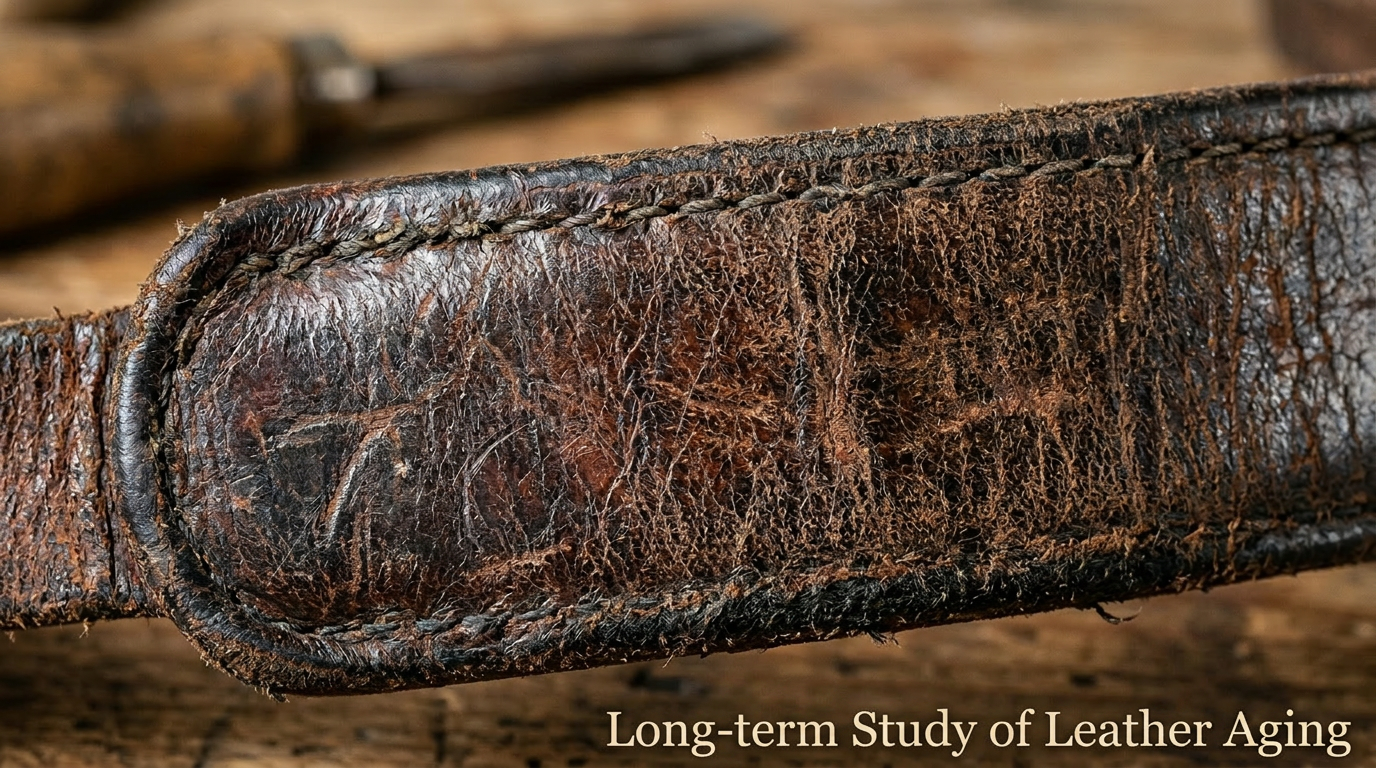
The most significant difference reveals itself over time. A synthetic product is at its most beautiful on the day of purchase. From there, it degrades—cracking, peeling, or becoming brittle. Real leather, however, begins a journey. It develops a patina. Through light, touch, and use, it becomes more supple and gains character. This is true sustainability: a material that doesn't need to be replaced but becomes more valuable with the decades.
Summary: Those who can identify genuine leather protect themselves from disappointment. It is about appreciating a material that has accompanied humanity for millennia. Whether for your next DIY leather project or a new sofa, rely on the forensics of quality.
Genuine leather has been one of the highest quality natural materials for centuries.